
Professor Min Jae Ko and his colleagues, Dr. Wooyeon Kim and Dr. Bonkee Koo, published a comprehensive review in Nano-Micro Letters detailing how recent breakthroughs in material stability could shift perovskite solar cells (PSCs) from terrestrial labs to the world's most hostile climates. While PSCs are known for high efficiency and flexibility, their historic vulnerability to moisture, heat, and radiation has sidelined them for industrial use. Recent engineering advances—specifically in defect passivation, interface management, and self-healing materials—are now mitigating these degradation factors.
Perovskite Solar Cells Target Power Generation in Extreme Environments
From the vacuum of space to the crushing depths of the ocean, reliable energy remains a persistent engineering hurdle. A team from Hanyang University is now championing perovskite solar cells as the lightweight, flexible alternative to traditional power sources, capable of sustaining operations where fuel resupply is impossible.
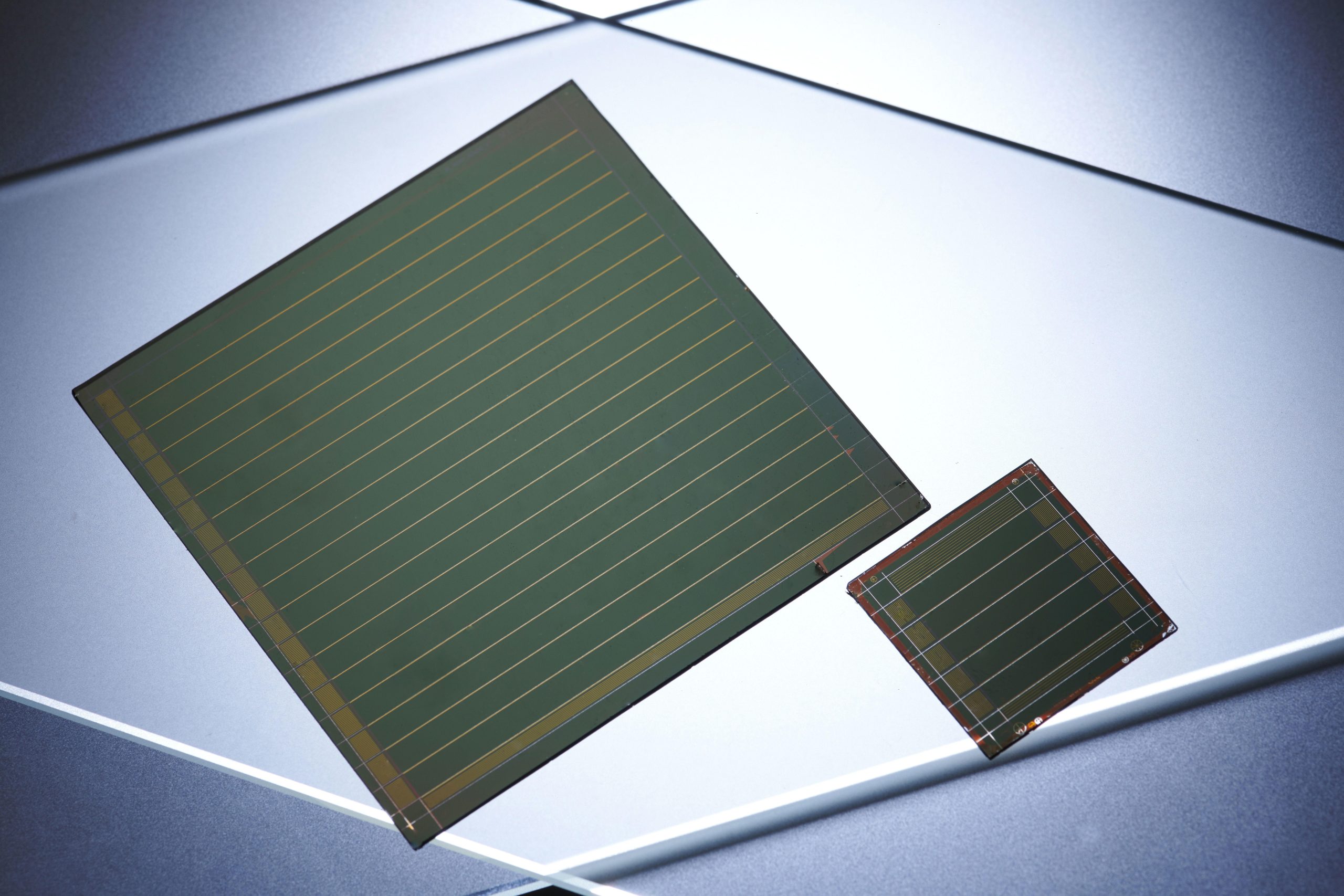
The researchers argue that a one-size-fits-all approach is insufficient for extreme settings. Space-bound hardware must endure intense radiation and vacuum exposure, while underwater sensors face high hydrostatic pressure and salinity. Desert deployments contend with thermal stress and dust, and polar regions present challenges related to low-pressure and extreme UV radiation. To address this, the team emphasizes a tailored strategy: customizing encapsulation techniques and optical management for each specific environment. By moving beyond conventional photovoltaic designs, this technology could eventually power autonomous underwater vehicles, satellite networks, and remote polar research stations where battery replacement is logistically prohibitive.



Comments (0)
No comments yet. Be the first!