
Rural terrain in Central Virginia presents challenges that urban builders rarely encounter, from complex soil conditions and grading requirements to the intricacies of private septic systems and well installations. Broadwater emphasizes that a builder must be adept at site preparation—clearing land, managing slopes, and establishing proper drainage—long before the foundation is poured. Without this foresight, homeowners often face significant cost overruns and construction delays.
Navigating Rural Construction: Lessons from Central Virginia
Building a custom home on rural land requires more than a low bid; it demands a deep understanding of local topography and regulatory hurdles. Ken Broadwater, managing member of Ken Broadwater Homes, argues that the difference between a dream project and a financial pitfall lies in the builder's local expertise.
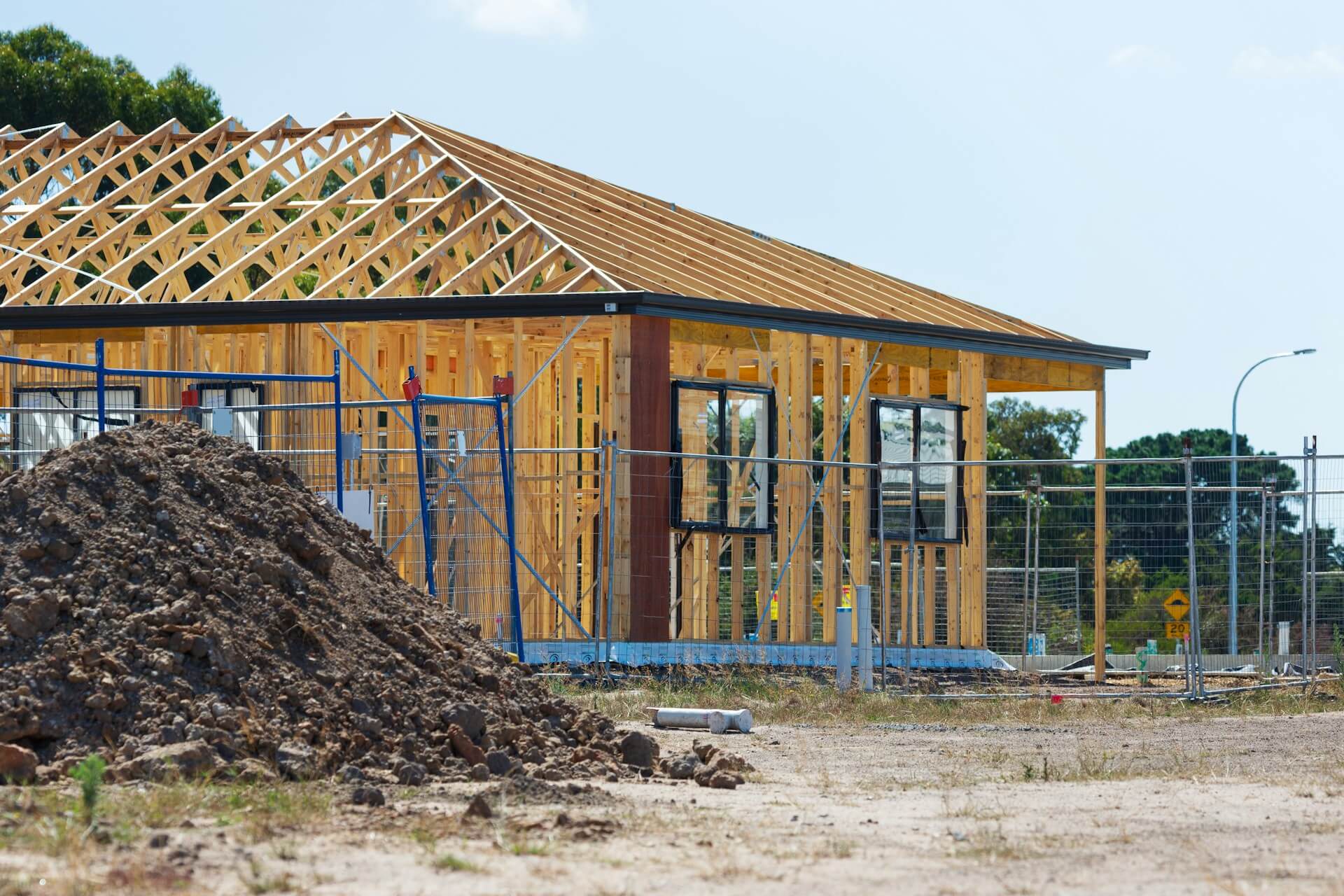
Regulatory navigation is equally critical. Each county maintains distinct requirements for inspections, setbacks, and utility extensions. An experienced professional coordinates these moving parts, ensuring that power lines and water access are secured early. Beyond technical proficiency, communication remains a primary indicator of quality. Broadwater suggests that prospective clients prioritize builders who offer transparent, itemized estimates that account for rural-specific expenses like long driveways and land development. Ultimately, the best way to vet a partner is to inspect their past projects and speak with previous clients to gauge the long-term durability of their workmanship.



Comments (0)
No comments yet. Be the first!