
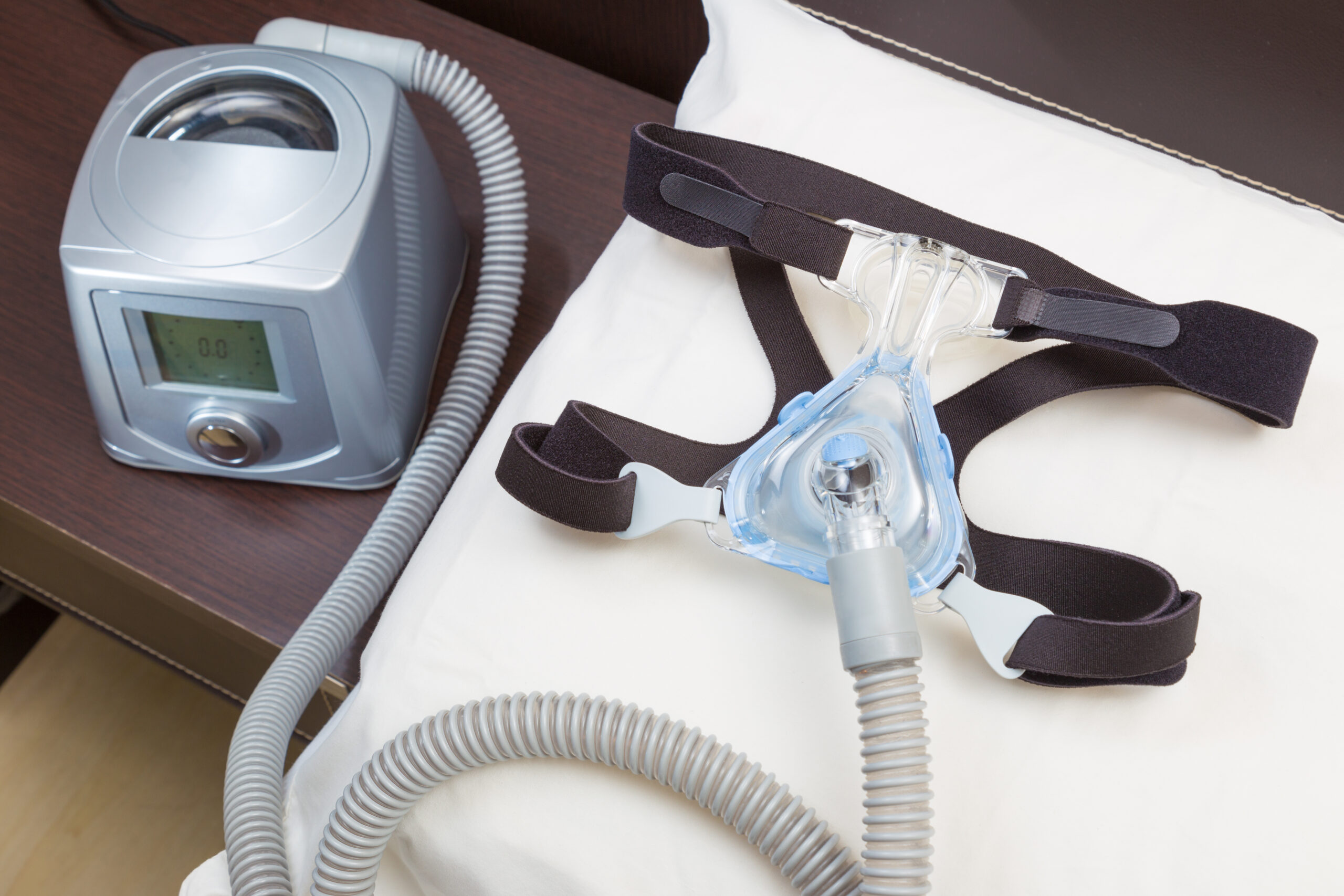
Healthcare systems are increasingly moving away from traditional, capacity-constrained sleep laboratories in favor of portable, patient-friendly diagnostic pathways. This transition allows clinicians to monitor physiological parameters—such as oxygen saturation and respiratory effort—outside of clinical settings, significantly reducing wait times and improving patient compliance.
Technology remains the primary catalyst for this shift. Manufacturers are prioritizing the development of sophisticated wearable sensors and cloud-based reporting platforms that enable remote data transmission. While traditional laboratory polysomnography remains the gold standard for complex cases, home testing has become the preferred first-line diagnostic tool for obstructive sleep apnea, which accounts for nearly 96% of the current market demand. Companies like ResMed, Philips Respironics, and Natus Medical are leading this trend, focusing on devices that balance ease of use with clinical accuracy.



Comments (0)
No comments yet. Be the first!