
The company’s presentation detailed a proprietary screening strategy that merges computational sequence analysis with experimental validation. By leveraging AI, researchers can now isolate antibody candidates with higher specificity, effectively navigating the structural similarities that typically complicate the development of Claudin 18.2-targeted treatments. These results suggest a faster path toward refining antibody-drug conjugates and other therapeutic biologics.
Tsingke Debuts AI-Driven Strategy for CLDN18.2 Antibody Targeting
At the Antibody Industrial Symposium 2026 in Montpellier, Tsingke showcased a new AI-enabled workflow designed to solve a persistent hurdle in cancer treatment: the precise targeting of CLDN18.2 proteins without triggering cross-reactivity with the closely related CLDN18.1, a significant breakthrough for gastric and solid tumor therapies.
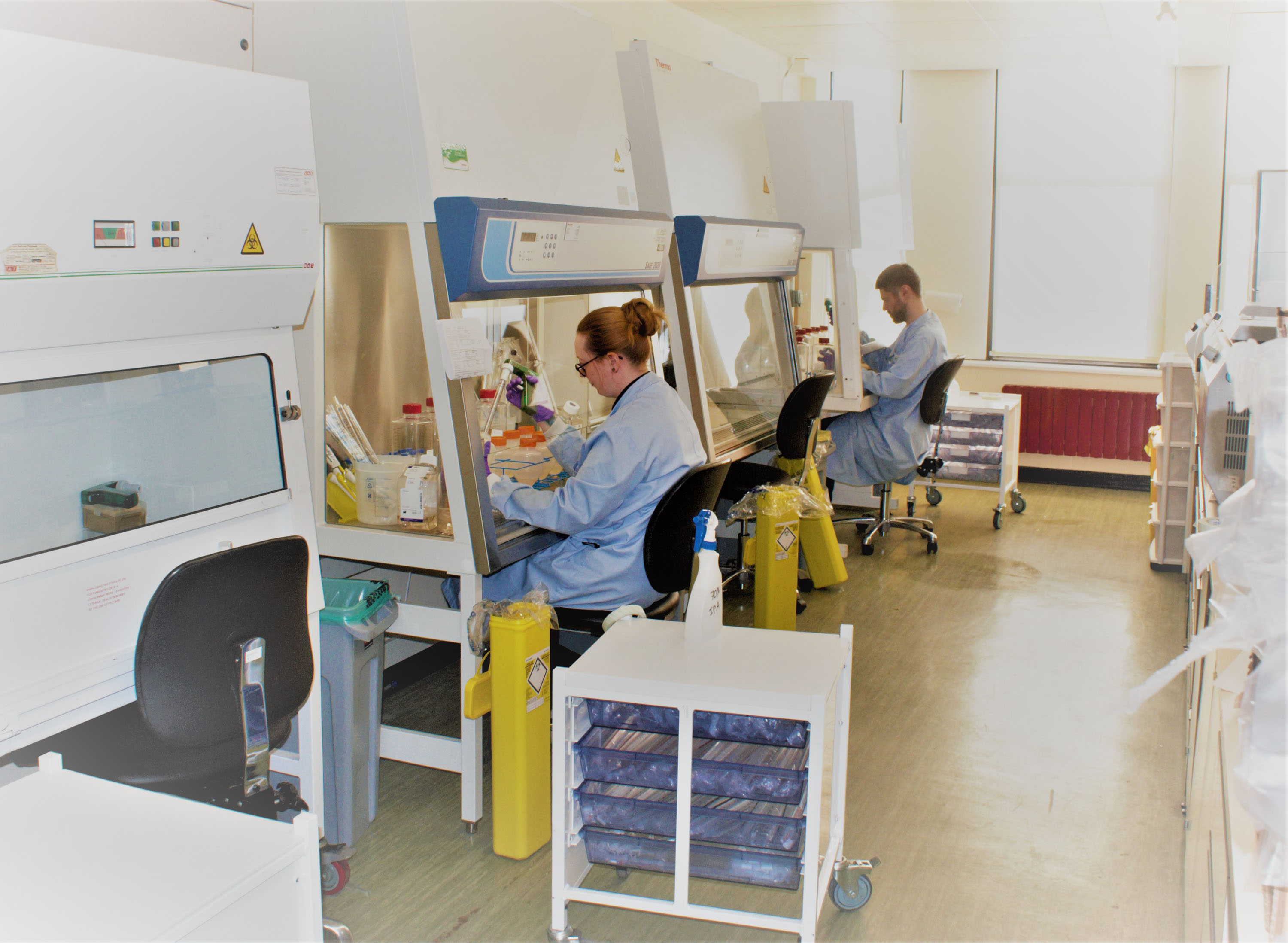
Beyond specialized discovery, the firm demonstrated its end-to-end platform capabilities at the event. This infrastructure encompasses hybridoma and phage display technologies, antibody humanization, and protein expression systems. According to Senior R&D Engineer Chuanting Tan, the integration of computational modeling with traditional lab work is essential for managing the rising complexity of modern drug development. Tsingke plans to scale this platform further to support projects spanning from initial target identification to final protein characterization.


Comments (0)
No comments yet. Be the first!