
According to a report from Edmond de Rothschild, the contribution of real estate to China's GDP has dropped significantly, falling from approximately 30 percent in 2019 to 18 percent today. Fang Liu, an Asian economist at the firm, notes that the economy remains resilient, bolstered by a shift toward electric vehicles, industrial robotics, and semiconductors. This transition reflects a deeper structural evolution rather than a temporary policy-driven recovery.
China pivots from property crisis toward high-tech export growth
Conflict lead: As China’s property sector endures a prolonged structural downturn, the nation is pinning its economic future on a transition toward advanced manufacturing. While real estate once served as a primary engine of growth, recent data suggests that high-tech exports are now compensating for the domestic slump.
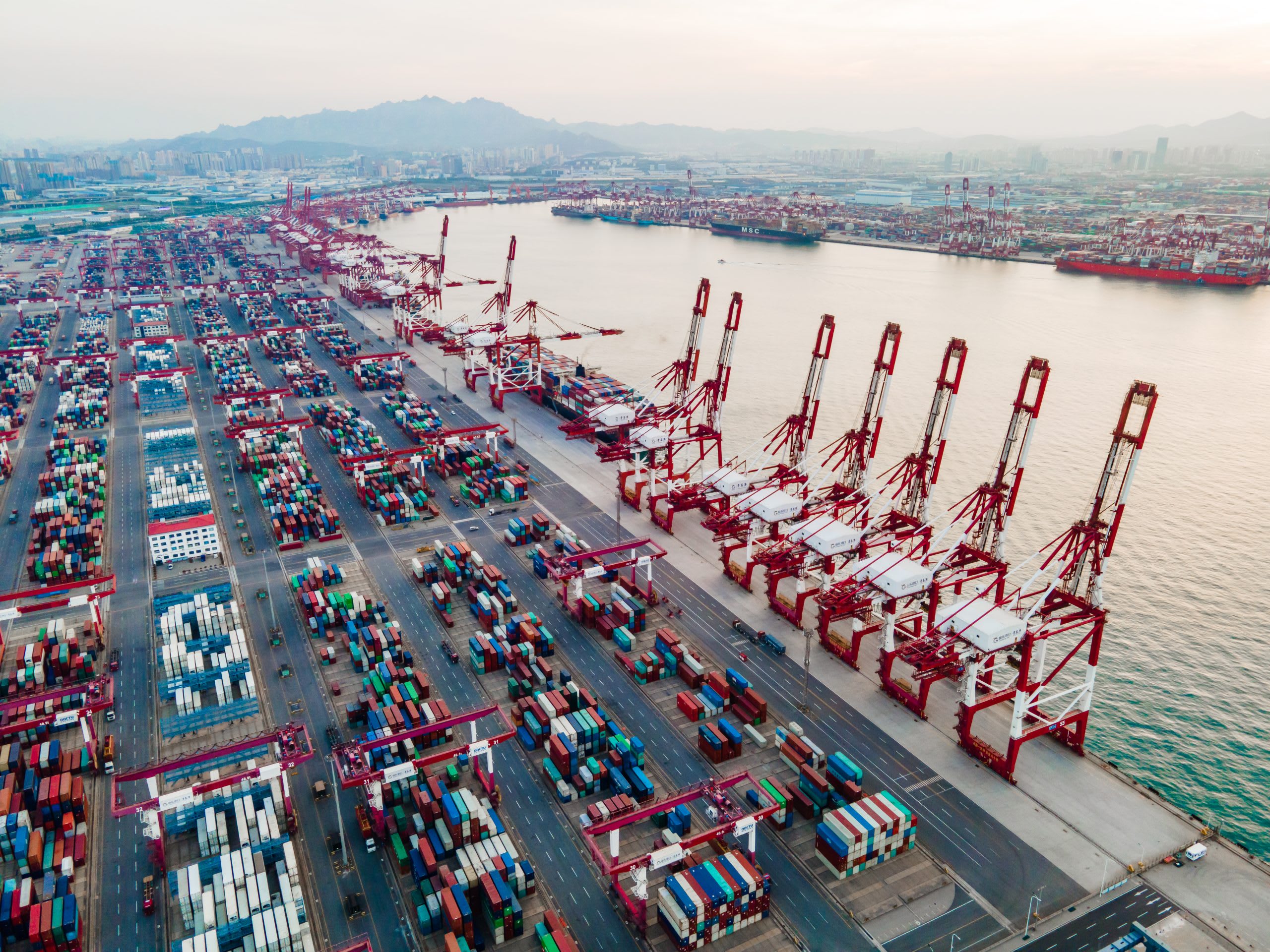
The K-shaped economic divide
Patrick Ho of HSBC Private Bank describes this phenomenon as a "K-shaped bifurcation." While high-tech sectors benefit from policy support and international demand, consumption and property markets remain impaired. The contrast is reflected in market performance: the ChiNext Index has seen gains of 36.5 percent this year, while the Hang Seng Tech index has slid by 20.1 percent. Despite rising global protectionism and tariff barriers, China’s export model has shifted toward complex, high-value goods that are increasingly difficult for foreign markets to replace. Analysts argue that as long as industrial upgrading continues at its current pace, the export engine will sustain the economy even as the real estate sector contracts.


Comments (0)
No comments yet. Be the first!