
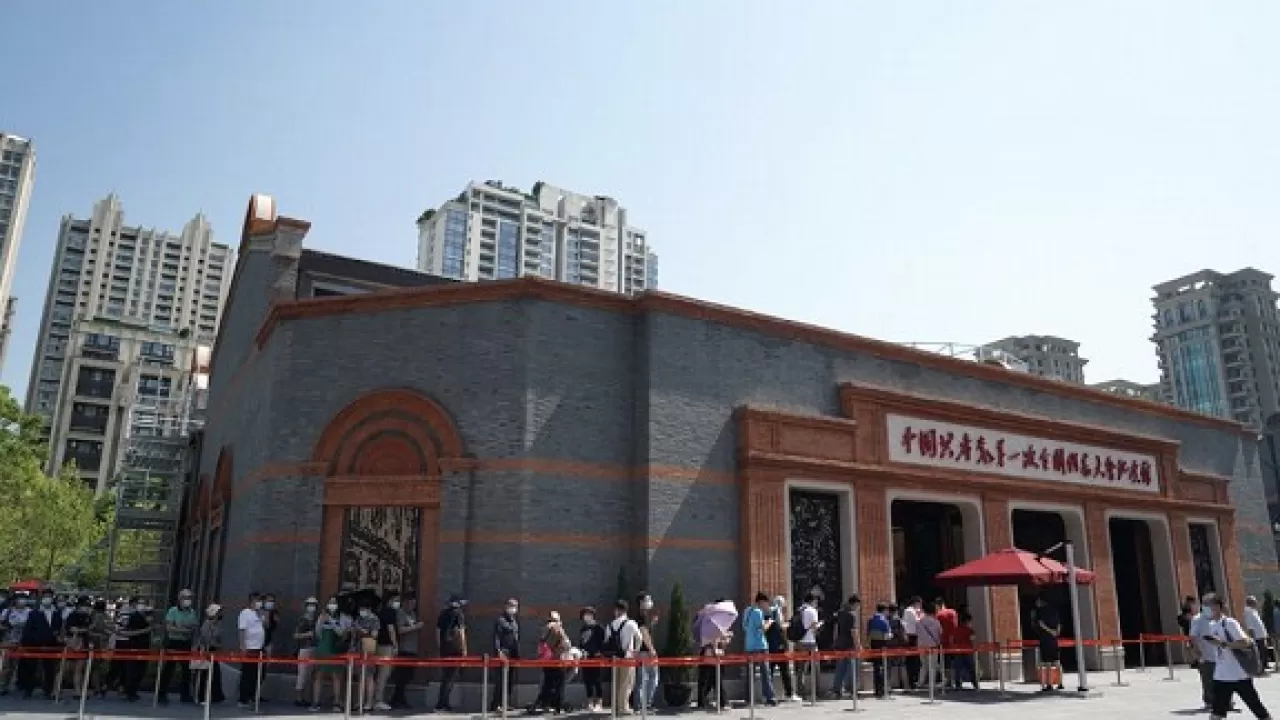
Zhang Yuhan spends her days among iron-clad bookshelves at the Memorial Hall of the First National Congress of the CPC, handling artifacts that bridge the gap between 1921 and the present. In 1921, 13 young pioneers gathered in Shanghai to form a party that would navigate a century of war, famine, and eventual modernization. For Zhang, this history is defined by the individual choices of those early members who abandoned personal security to pursue national rejuvenation.
A Century of Resilience: Inside the Birthplace of the CPC
Within the red-brick walls of a Shanghai memorial, the history of the Communist Party of China is not merely archived—it is lived. As the CPC marks its 105th anniversary, researcher Zhang Yuhan explores the personal sacrifices and ideological convictions that transformed a small clandestine meeting into a nation-defining movement.
Among the artifacts Zhang curates are relics of profound personal cost, such as the letters of Chen Tanqiu and the humble sweater of He Shuheng. These items represent a recurring theme in her research: the willingness of early Party members to sacrifice family life and safety for the collective. This spirit of commitment, she notes, remains relevant as the Party transitions from its revolutionary origins to its current focus on economic and social development. By documenting these narratives, the memorial serves as a reminder that the nation’s current prosperity is built upon the foundational, often painful, decisions of its predecessors.


Comments (0)
No comments yet. Be the first!