
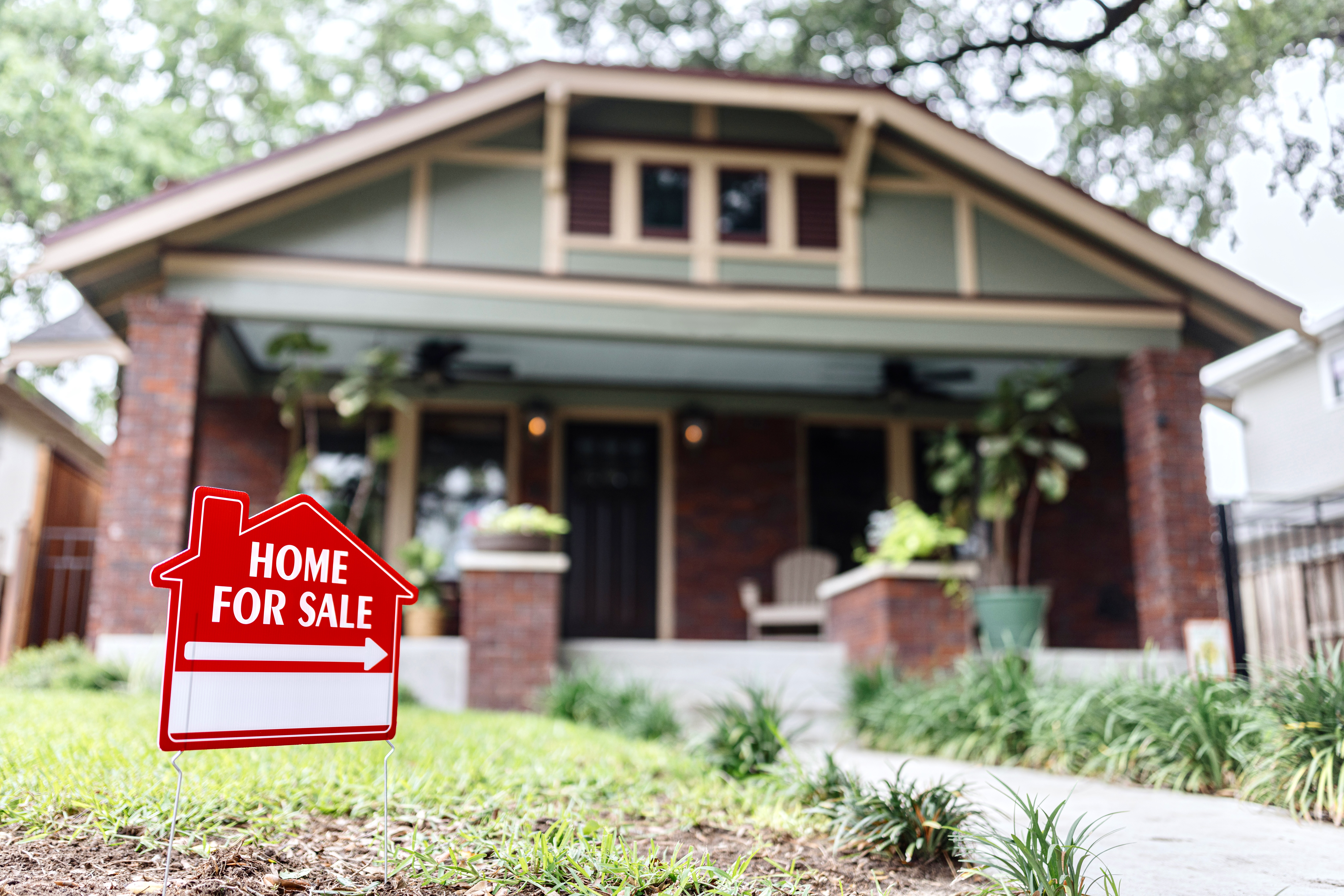
In 2025, fewer than 30,000 short sales occurred across the United States, representing just 0.6% of total home sales. Despite their limited footprint, the trend is accelerating: transaction volume grew 16% year-over-year in the first quarter of 2026. This uptick coincides with a significant pricing reversal. For the first time since 2018, short sales are fetching approximately 9% more of their estimated value than foreclosures, a departure from the long-standing trend where short sales traded at deeper discounts.
Experts suggest this shift reflects a return to historical norms seen during the 2007-2012 housing crash. However, the price premium is unlikely to trigger a mass migration away from foreclosures. The primary obstacle remains the "free rent" period afforded by the foreclosure process. According to Glen Morgenstern, an economist at Realtor.com, homeowners can typically remain in a foreclosed property for an average of 592 days without payment. This extended window of occupancy often outweighs the credit and timeline advantages of a short sale, which requires active cooperation and a faster exit.



Comments (0)
No comments yet. Be the first!