
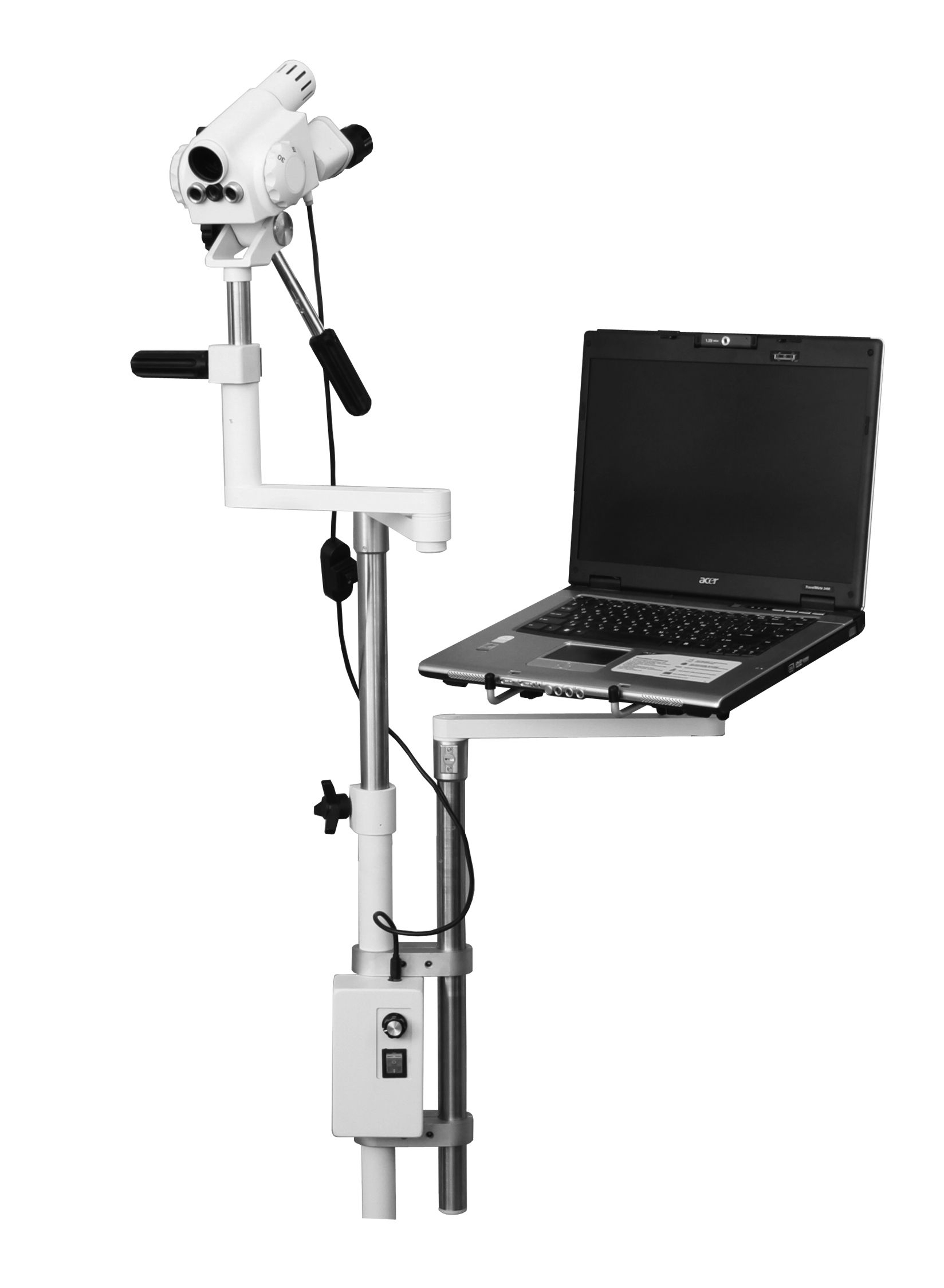
For decades, procedures like loop electrosurgical excision have been the standard for treating cervical intraepithelial neoplasia. While effective at reducing cancer risk, these surgeries remove tissue that may be vital for obstetric health, potentially increasing risks of preterm birth or cervical incompetence. During the IFCPC symposium, specialists from the U.S., Europe, and China argued that a 'one-size-fits-all' surgical approach no longer aligns with the needs of modern patients, particularly those of childbearing age.
Clinical Efficacy and Accessibility
Recent data, including the international multicenter APRICITY Phase III trial, indicates that hexaminolevulinate photodynamic therapy (HAL-PDT) offers a viable path forward. The study reported that CIN2 patients treated with this method achieved a 57.5% histological regression rate, significantly outperforming the placebo group. Beyond lesion removal, the therapy demonstrates an ability to clear high-risk HPV strains 16 and 18 while avoiding the physical trauma associated with anesthesia and tissue excision.



Comments (0)
No comments yet. Be the first!