
The conference, running through July 24, features over 70 studies addressing critical gaps in cerebrovascular care. Beyond the AI breakthrough in tumor treatment, researchers are presenting findings on the influence of anesthesia choices during mechanical thrombectomy and the persistent racial disparities in stroke outcomes. SNIS President Guilherme Dabus noted that the research presented this year aims to reset clinical standards rather than provide incremental updates, focusing on outcomes that directly impact patient survival and long-term recovery.
AI Brain Tumor Mapping and Stroke Care Equity Headline SNIS Meeting
Neurointerventionalists gathering in Seattle this week for the 23rd Society of NeuroInterventional Surgery annual meeting will unveil an AI-guided technique capable of mapping every vessel supplying a brain tumor, a shift from traditional methods that targeted only single feeding arteries.
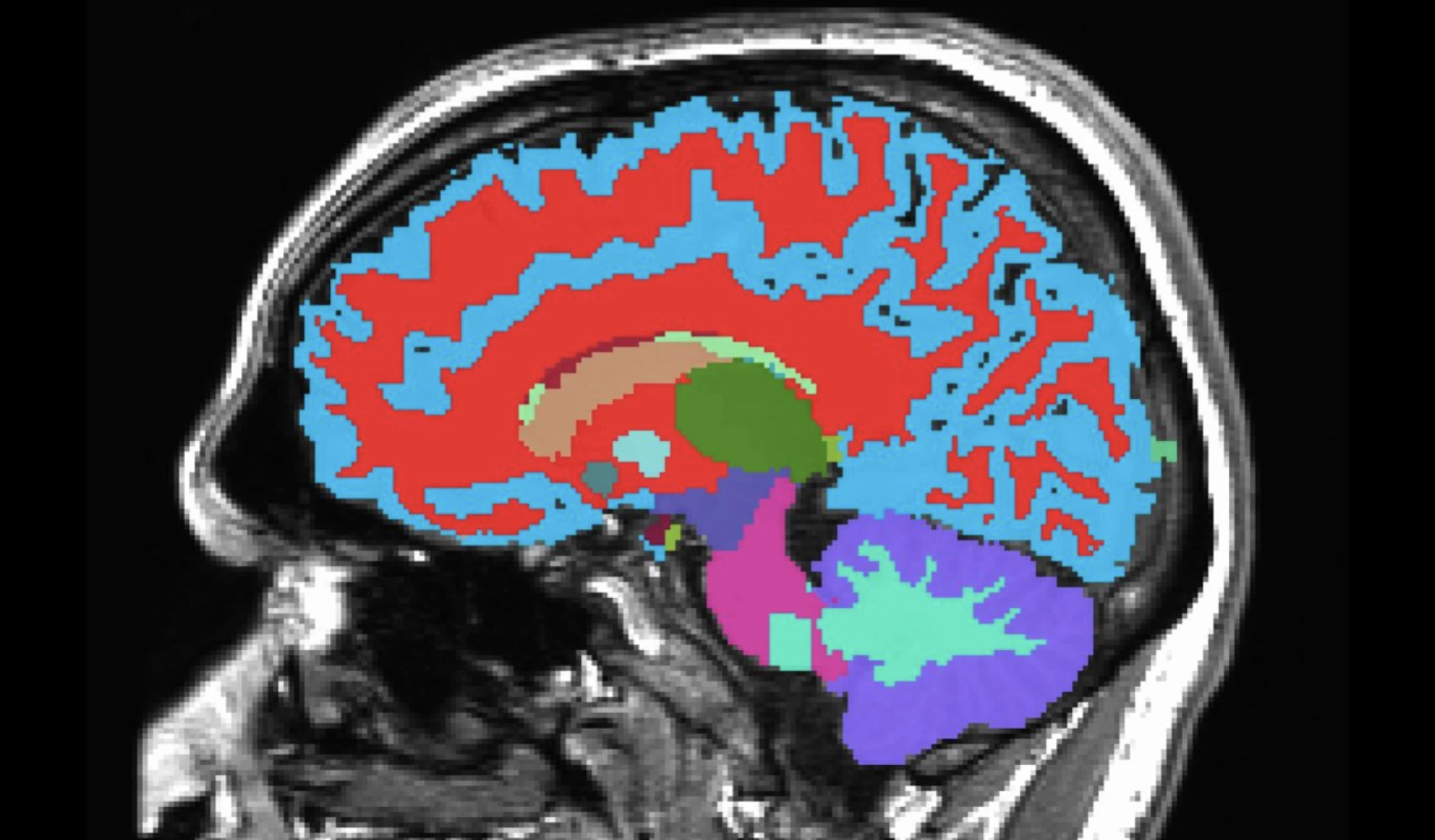
A significant portion of the program investigates systemic inequalities, including a 10-year analysis of social determinants in hemorrhagic stroke mortality and an examination of how racial disparities in endovascular thrombectomy widen alongside stroke severity. The event also features the Grant Hieshima Luminary Lecture, delivered by Dr. Joshua Hirsch, who will discuss the evolving intersection of innovation, evidence, and policy in neurointervention. The meeting is accessible to both in-person and virtual attendees, with sessions available for on-demand review following the conclusion of the event.



Comments (0)
No comments yet. Be the first!