
HomeReleasesPaintless Dent Repair vs. Traditional Body Work: A Cost Anal
Releases

Paintless Dent Repair vs. Traditional Body Work: A Cost Analysis

For vehicle owners staring down a parking lot ding or hail damage, the choice between traditional body shops and paintless dent repair (PDR) often comes down to the bottom line. Brooklyn-based technician Leo Plourde argues that PDR offers a faster, more affordable alternative by bypassing the intensive labor of traditional refinishing.

Paintless Dent Repair vs. Traditional Body Work: A Cost Analysis

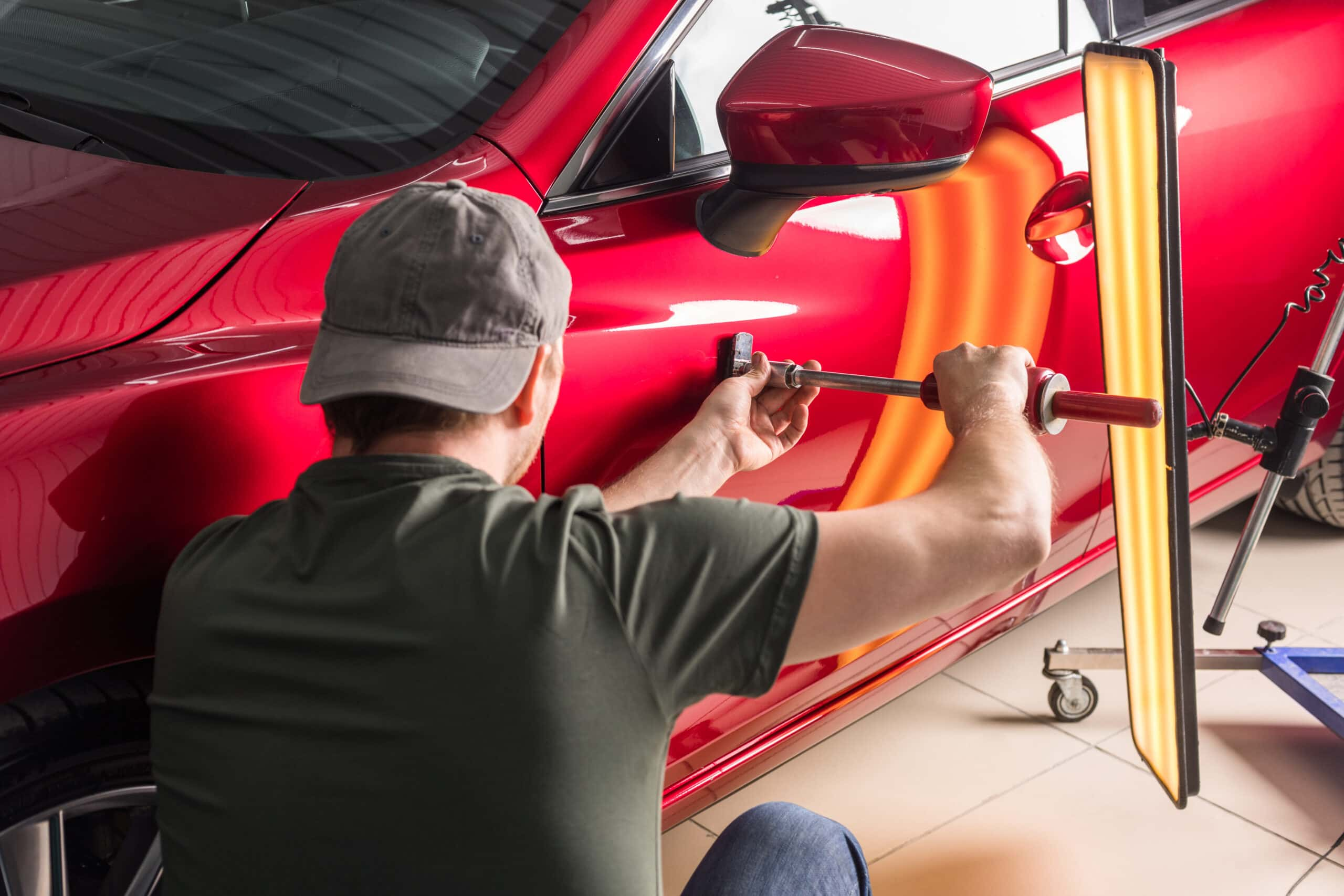
Traditional body work requires a labor-intensive sequence: sanding, priming, repainting, and blending. Each step inflates the bill and keeps the car in the shop for days. PDR shifts the approach by utilizing specialized tools to massage metal back to its original shape from behind the panel. Because the factory finish remains undisturbed, the need for chemical fillers and paint matching vanishes, significantly lowering labor hours.

Beyond lower repair fees, the efficiency of PDR offers indirect savings. Many minor dents are resolved in a single appointment, sparing owners the expense of rental cars or alternative transit. However, Plourde notes that the method has physical limits. Deep creases or instances where paint has already cracked require conventional intervention. In these complex scenarios, technicians may recommend a hybrid repair strategy to ensure the panel’s integrity.


Insurance considerations also weigh heavily on the decision. Because PDR often costs less than the typical deductible, many drivers opt to pay out-of-pocket, avoiding potential premium hikes associated with filing a claim. As the industry evolves, PDR has become a standardized solution for minor cosmetic damage, providing an efficient middle ground between quality preservation and budget-conscious maintenance.

Comments (0)

Leave a comment

No comments yet. Be the first!