
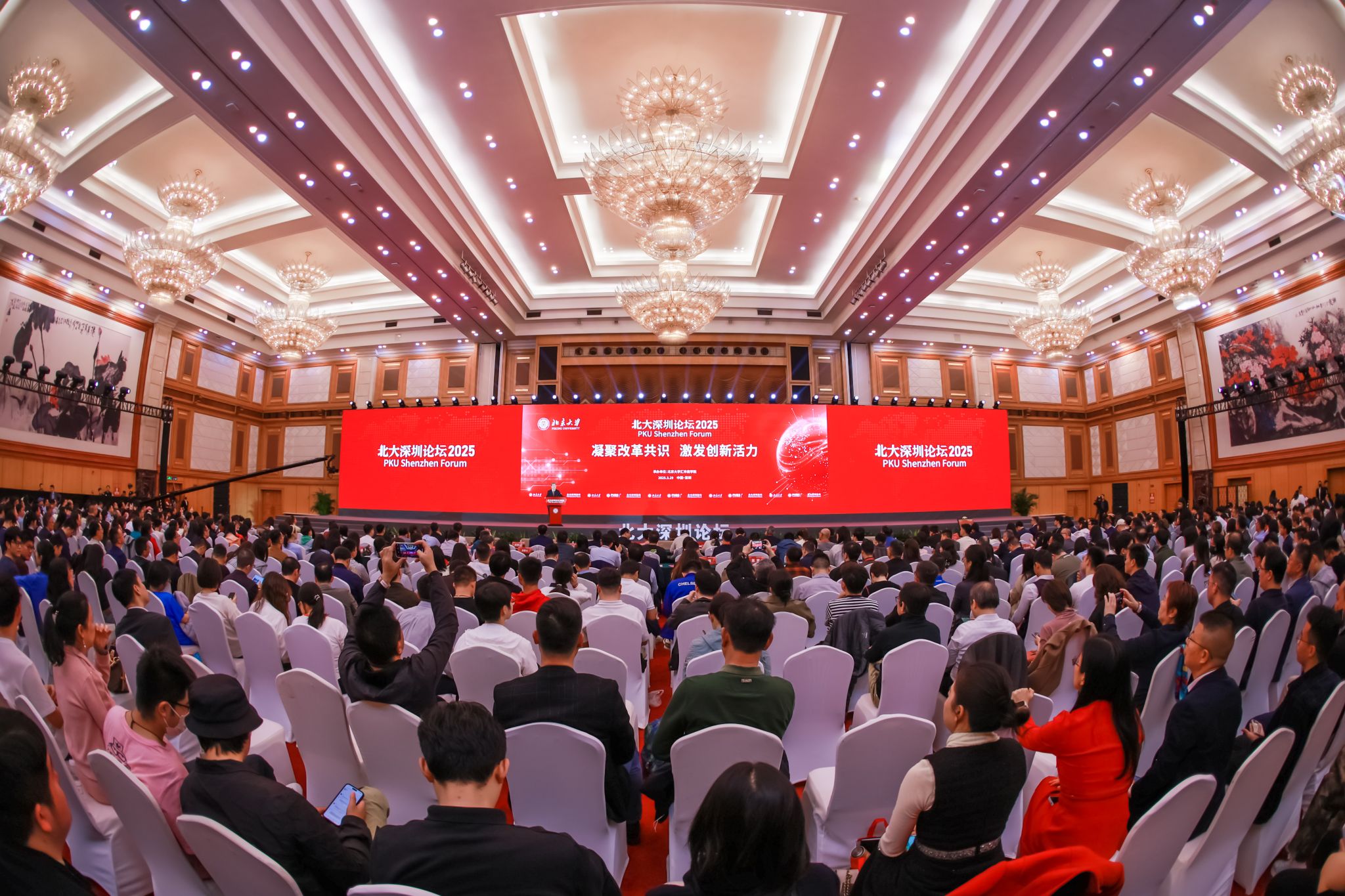
The event, co-hosted by PHBS and the Institute of Carbon Neutrality at Peking University, arrived just before the APEC Forestry Ministerial Meeting. Discussions focused on the intersection of AI-driven governance and the immediate challenges posed by carbon-related trade barriers. Piao Shilong and Hai Wen opened the summit by advocating for an inclusive global framework, while Wang Pengfei emphasized the necessity of market-based pricing tools to accelerate the transition.
Nobel laureate Thomas J. Sargent provided the keynote, arguing that economic uncertainty should serve as a catalyst for immediate investment in green R&D and forest conservation. Meanwhile, Jiang Kejun highlighted the 2030–2035 period as a pivotal window for China’s energy sector, citing the rapid expansion of electric vehicles and renewable energy as primary drivers. Academic research remains a significant pillar of this shift, with Wu Dengsheng noting that China now holds the world’s second-highest volume of carbon economics publications.


Comments (0)
No comments yet. Be the first!