
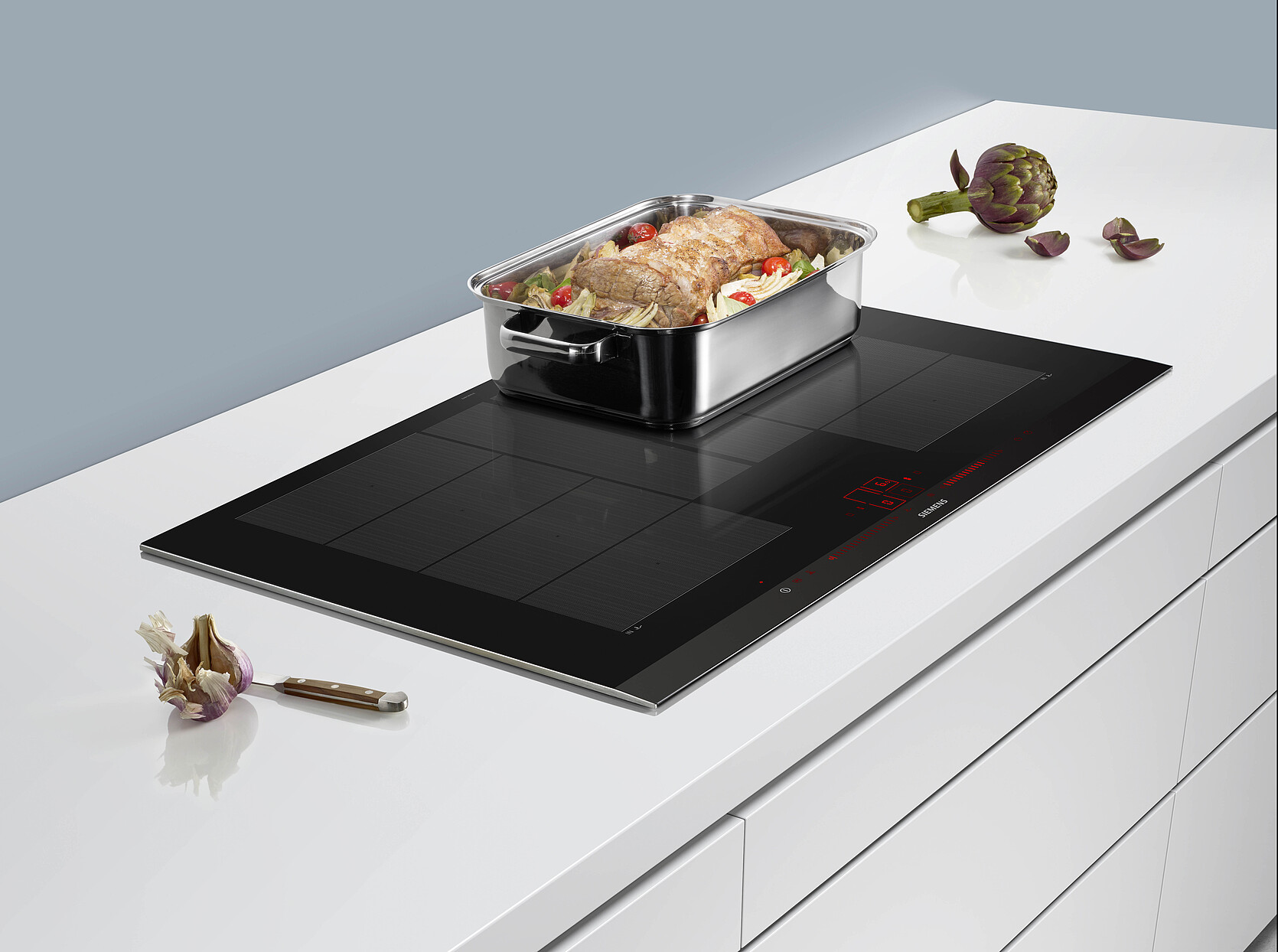
The expansion of this market is tied heavily to the evolution of household appliances. As governments tighten energy efficiency regulations, manufacturers are pivoting toward induction cooking systems that rely on the thermal shock resistance and mechanical durability of glass ceramic panels. Europe remains the primary driver of this trend, though rapid adoption in China and North America is accelerating production cycles for premium kitchen technologies.
Beyond the kitchen, the material's near-zero thermal expansion and biocompatibility have solidified its role in high-stakes industries. Aerospace and defense sectors now depend on these ceramics for infrared windows and radomes, while the dental industry is increasingly utilizing Lithium disilicate for precision restorations. Furthermore, the electronics sector is finding new utility for these materials in 5G infrastructure, where dimensional stability and low dielectric loss are critical.



Comments (0)
No comments yet. Be the first!