
The campaign, led by the California Medical Association and the American Academy of Pediatrics, seeks to normalize the vaccine as a primary tool for cancer prevention rather than just a standard childhood shot. Data from 2023 shows that 64% of 13-year-olds in California have started the two-dose series, yet this figure falls short of the 80% goal necessary to effectively suppress transmission and protect the next generation.
California Pushes HPV Vaccination to Reach 80 Percent Target
Marking two decades of clinical use, California health officials are using the annual HPV Vaccine Week, held August 2–8, 2026, to renew a push for higher immunization rates. Despite clear evidence that the vaccine prevents cancer, local coverage remains below the threshold required to achieve herd immunity.
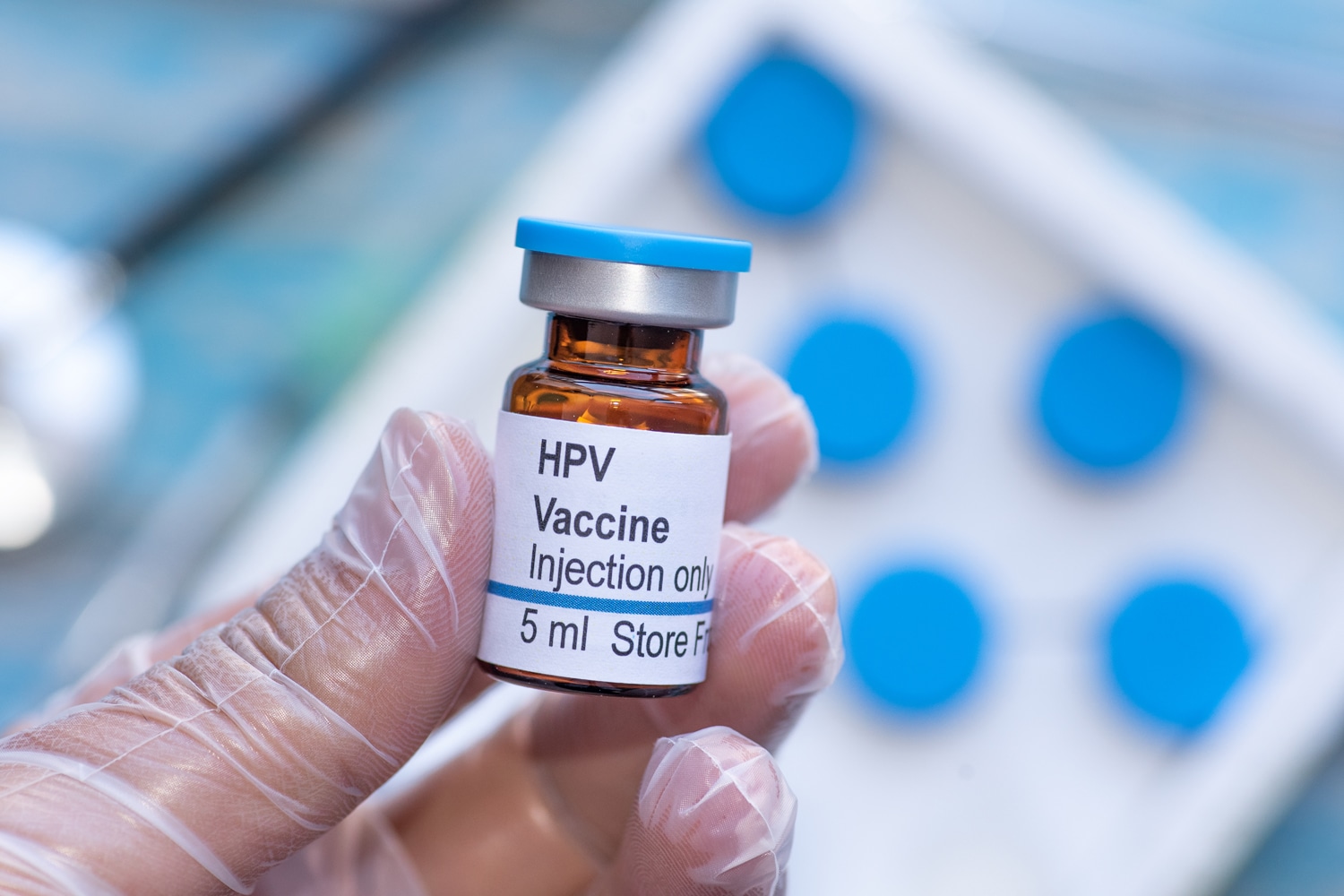
Global success stories provide a roadmap for these efforts. Research published in The Lancet and findings from Scotland and Australia demonstrate that widespread immunization can virtually eliminate cervical cancer cases among young adults. In the United States, HPV-related cancers affect nearly 4,000 Californians annually, primarily impacting the cervix, mouth, and throat. Medical experts emphasize that vaccinating preteens aged 9–12 yields the most robust immune response, offering protection long before potential exposure occurs. While adults up to age 45 remain eligible, clinical guidelines continue to prioritize early intervention to maximize the vaccine's efficacy against six distinct types of cancer.



Comments (0)
No comments yet. Be the first!