Athletes often mistake the fading of pain for a full recovery, but returning to competition before tissues have finished repairing is a primary cause of chronic setbacks. According to orthopaedic surgeon Joshua Olsen, M.D., the difference between a successful return and a recurring injury lies in patience and professional guidance.
Many athletes assume that once discomfort subsides, they are ready to resume high-intensity training. Dr. Olsen warns that this is a critical error, as muscles, tendons, and ligaments heal at different rates. Returning too soon places undue strain on weakened structures, often turning minor injuries into long-term complications.
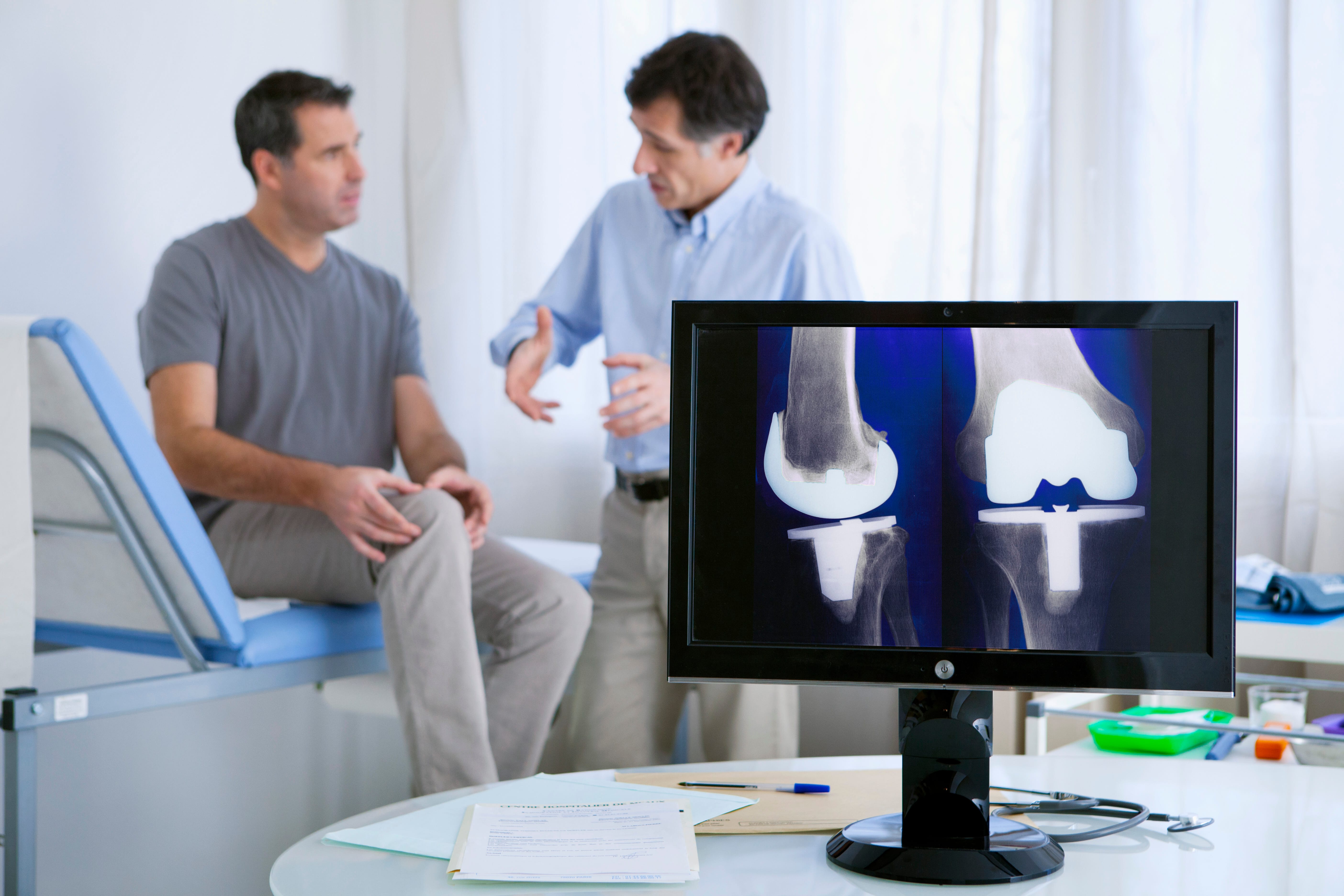
Self-diagnosis remains another significant hurdle. Relying on guesswork or online advice often masks deeper issues, such as small tears or ligament damage that require specific medical intervention. Without a formal evaluation, athletes risk mismanaging their recovery, which can lead to permanent joint instability or altered movement patterns.
Effective rehabilitation requires more than simple rest; it demands a structured, personalized plan tailored to the physical demands of the specific sport. Whether it is a pitcher managing shoulder stress or a runner recovering from a calf strain, a targeted approach restores necessary muscle coordination. Consistency in therapy, coupled with proper nutrition and sleep, provides the biological foundation required for tissue repair. Athletes who resist the urge to rush and complete their full recovery protocols are significantly more likely to return to competition with full strength and durability.



Comments (0)
No comments yet. Be the first!