
Astronomer Bill Gray, who calculated the rocket’s trajectory, previously cautioned that spotting a visible flash or plume from Earth was unlikely. The challenge of verification now shifts to orbital assets. South Korea’s Danuri spacecraft is slated to transit the impact site roughly eight hours following the collision, while NASA’s Lunar Reconnaissance Orbiter requires six days to reach a position suitable for high-resolution imaging. Comparing satellite imagery before and after the event remains the only path to definitive confirmation.
SpaceX Rocket Stage Hits the Moon in Unobserved Lunar Collision
Traveling at 5,400 miles per hour—more than double the speed of a bullet—a discarded SpaceX Falcon 9 upper stage was scheduled to slam into the lunar surface early Wednesday morning. While the designated impact time has passed, confirmed visual evidence of the debris remains elusive for planetary observers.
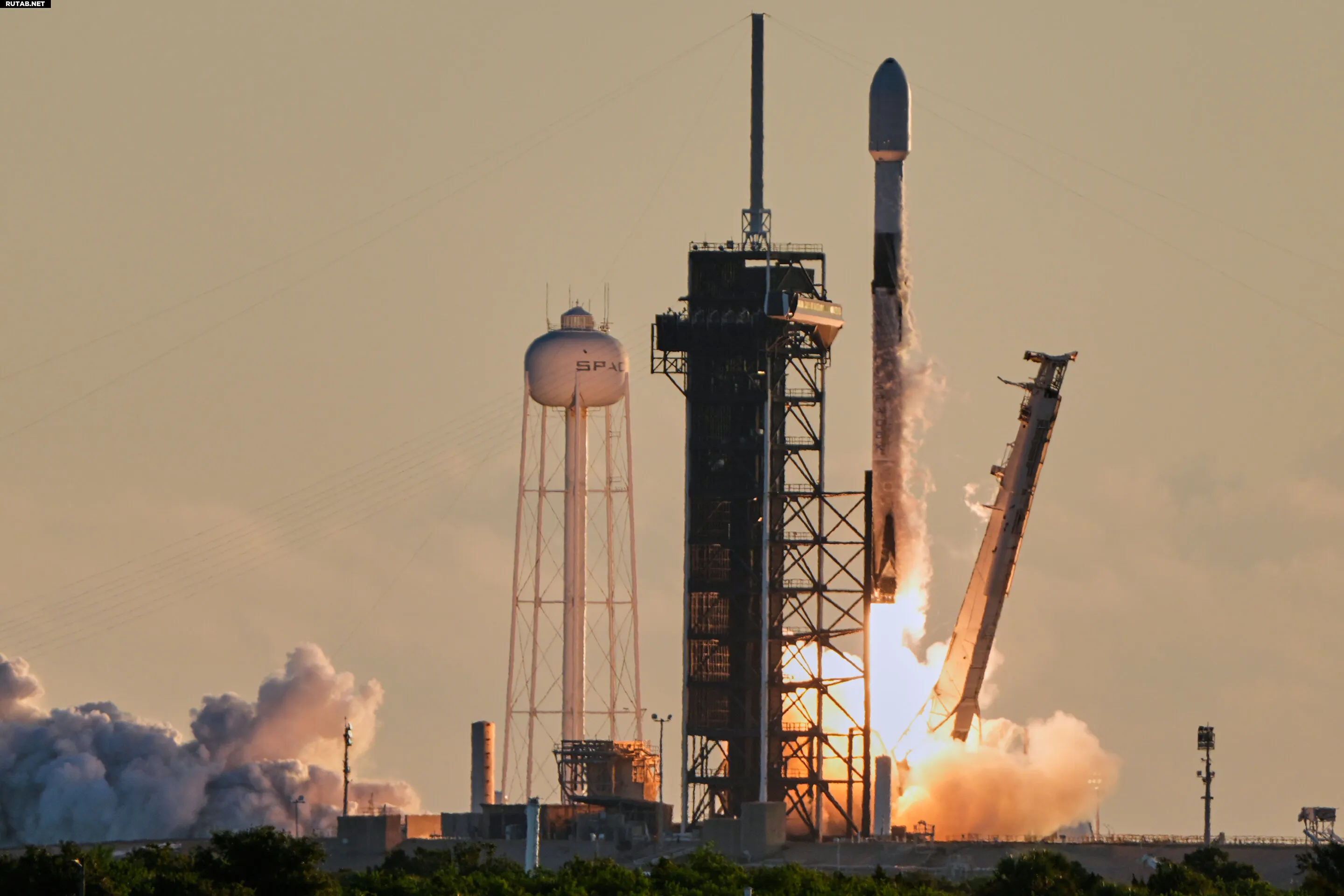
Despite the lack of an immediate visual record, physicists maintain the impact was unavoidable. Barring an improbable external intervention, orbital mechanics dictated the rocket’s path to the lunar surface. The incident follows a volatile week for Elon Musk, as the company simultaneously navigated the expiration of a post-IPO lockup period that impacted SpaceX stock valuations.



Comments (0)
No comments yet. Be the first!