
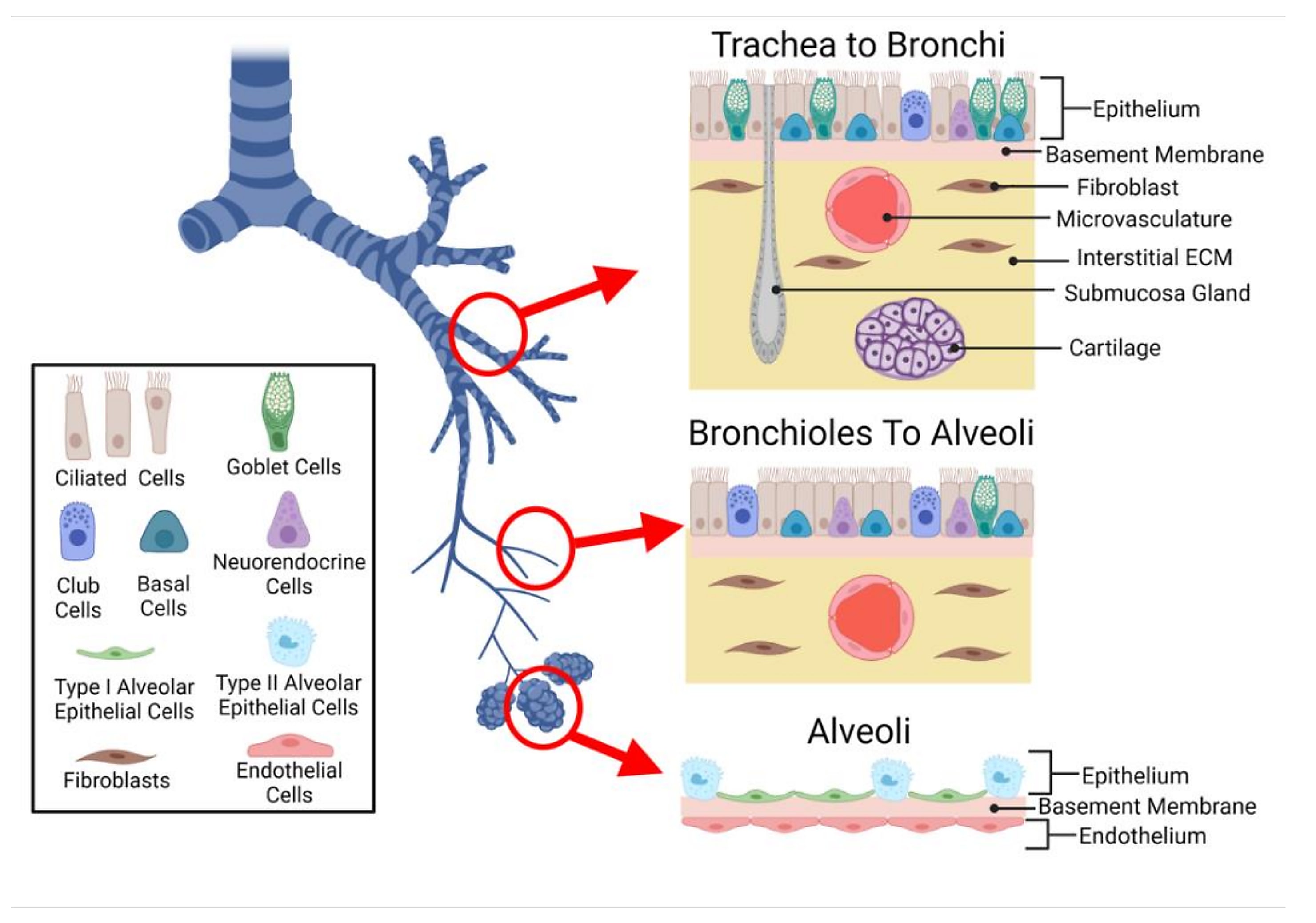
The challenge of early lung cancer detection lies in the anatomy of the organ itself. Physicians must guide instruments through a complex, microscopic branching system to reach tumors buried in the peripheral regions. Traditional navigation systems rely on CT scans, but thin airways are frequently indistinguishable from surrounding tissue, leading to incomplete digital maps. If an AI model is trained on these incomplete datasets, it inherently repeats the same diagnostic blind spots.
ASTRA-Net, or Anatomical Segmentation with Tree-aware Refinement Attention, moves beyond standard segmentation. Led by Dr. MinWoo Kim and Dr. Hee Yun Seol, the research team published their findings in IEEE Transactions on Medical Imaging. Unlike conventional models, the framework uses a multi-stage architecture that leverages anatomical clues from nearby blood vessels to infer the continuity of unrecognized pathways. By focusing on regions where boundaries are unclear, the system identifies branches that were excluded from the original human-annotated training data.


Comments (0)
No comments yet. Be the first!