
Successful pond management relies on matching fish species to specific environmental variables, including local climate, water depth, and pond size. By carefully selecting a mix of predator and forage species, owners can prevent over-competition and support healthier growth rates across the entire population. Hickling notes that achieving this balance is far more efficient than attempting to correct a struggling ecosystem after it has become overcrowded or nutrient-depleted.
Strategic Pond Management: Expert Advice on Long-Term Stocking
Before introducing a single fish to a pond, owners must define their objectives—whether for recreation, habitat creation, or ecological balance. According to Darin Hickling, owner of Hickling's Fish Farm, moving away from reactive stocking toward a structured, long-term management plan is the only way to ensure a thriving, sustainable aquatic environment.
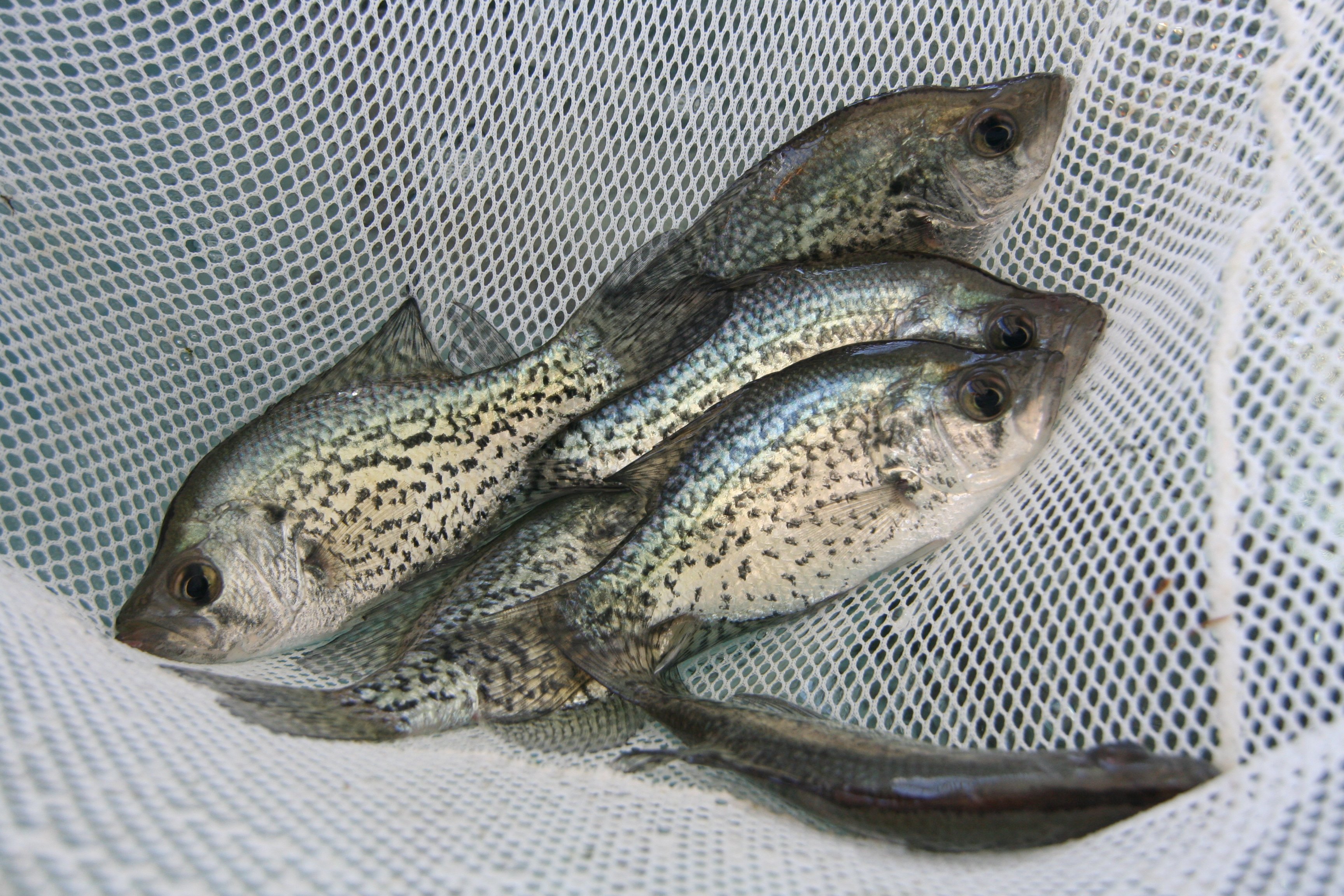
Timing and water quality remain the most critical operational factors. Introducing fish during optimal seasonal conditions minimizes stress and increases survival rates, while consistent monitoring of oxygen levels and nutrient balance prevents the degradation of the habitat. Because fish populations require time to establish natural breeding cycles, patience is a prerequisite for success. Rather than attempting to accelerate growth through excessive stocking, owners who allow ecosystems to mature gradually typically see more resilient and sustainable results over the life of the pond.



Comments (0)
No comments yet. Be the first!