
In the latest episode of the Net Zero Speaks podcast, Kug argues that El Niño is no longer a localized tropical phenomenon but a global catalyst for instability. Warming Pacific waters are releasing unprecedented thermal energy, creating atmospheric wave patterns that trigger simultaneous climate disasters—torrential floods in one hemisphere and catastrophic droughts in another. East Asia’s experiences in 1998 and 2016 serve as stark reminders of how quickly these cycles can devastate regional infrastructure.
Climate scientist Jong-Seong Kug on the shifting power of El Niño
As global temperatures climb, the El Niño–Southern Oscillation system is undergoing a volatile transformation that threatens to outpace current forecasting capabilities. Seoul National University climate expert Jong-Seong Kug joins youth advocate Pranav Kumar Gahadwal to unpack how these changing oceanic engines are driving extreme weather across every continent.
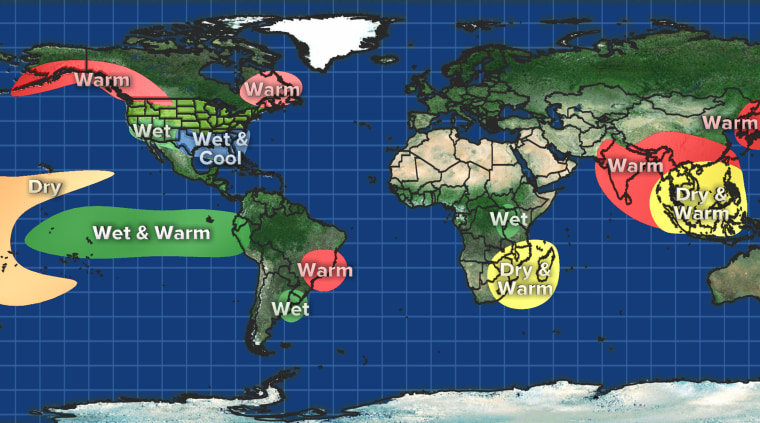
Kug warns that global warming is fundamentally altering the frequency and severity of both El Niño and La Niña events. While modern climate modeling offers a months-long head start, the professor cautions that these projections should function as early-warning systems rather than static predictions. By integrating seasonal data into municipal water planning, agricultural cycles, and disaster management, communities can better navigate the heightened risks of food and water insecurity. The episode, produced by the Planet Classroom Network and the Protect Our Planet Movement, is available on VoiceAmerica starting August 17, 2026.


Comments (0)
No comments yet. Be the first!