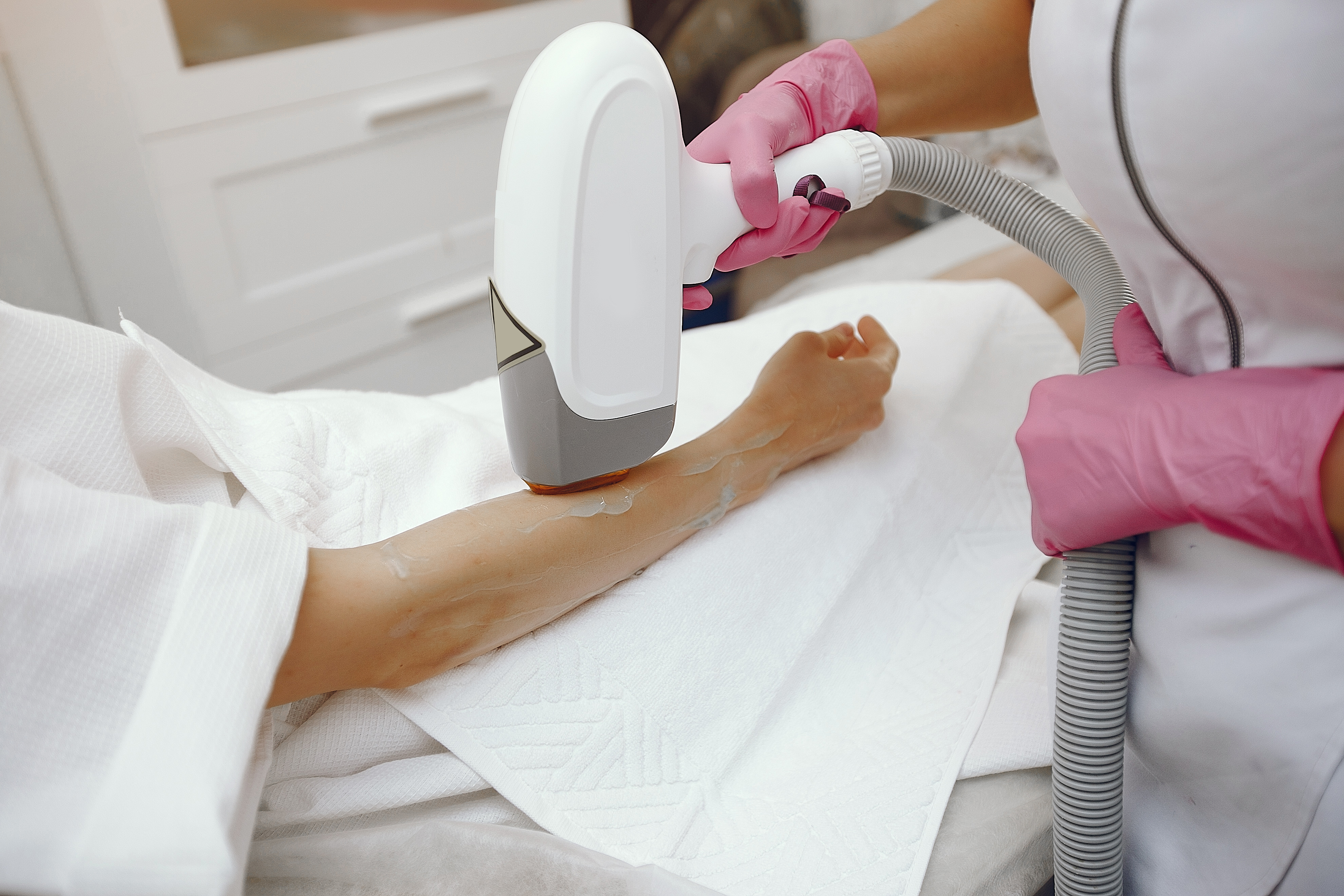
The peak of summer often triggers a surge in demand for laser hair removal, yet the season presents a physiological hurdle for the procedure. Because lasers target melanin, sun-exposed skin complicates the process, forcing patients to weigh the desire for immediate results against the risks of burns and pigmentation changes.
Laser by Aleya, a Great Neck-based clinic, emphasizes that effective treatments rely on the contrast between hair follicles and the surrounding skin. When sun exposure increases melanin levels through tanning, that contrast narrows. This shift makes it difficult for concentrated light energy to distinguish between the target follicle and the skin, elevating the risk of irritation or lasting damage. These concerns extend to spray tans and self-tanners, which similarly alter the skin's surface and interfere with equipment calibration.
For those seeking optimal results, the fall and winter months offer a distinct advantage. By beginning a series in September or October, clients avoid the complications of UV exposure, allowing the skin to remain in a baseline state. A standard treatment regimen requires multiple sessions spaced four to eight weeks apart, meaning a winter start ensures the majority of the process is completed before the following summer.
While summer sessions remain possible, they demand strict adherence to safety protocols. Patients must commit to daily application of broad-spectrum SPF 30, consistent coverage of treated areas, and a total avoidance of tanning beds or artificial tanning products. "The clients who plan ahead almost always have a better experience than the ones who come in wanting results before a vacation two weeks away," said Aleya Bamdad, founder and CEO of Laser by Aleya. Ultimately, the success of the treatment depends on an honest assessment of a client's lifestyle and their ability to manage sun exposure throughout the duration of the series.




Comments (0)
No comments yet. Be the first!