
Held from August 15 to 17, the competition hosted 666 teams from 16 countries, fielding over 2,000 robots. To manage the massive data requirements and the rapid movement of these machines, H3C deployed its flagship WA7638 access points. These units provided 18.444 Gbps of bandwidth, utilizing Multi-Link Operation to prevent the signal congestion that typically plagues high-density wireless environments.
Humanoid Sprinters Outpace Humans at Beijing Robotics Games
A humanoid robot sprinted 100 meters in 9.39 seconds during the second World Humanoid Robot Games in Beijing, shaving nearly two-tenths of a second off the human world record. This high-speed performance was made possible by a dense network of Wi-Fi 7 infrastructure designed to manage thousands of simultaneous connections.
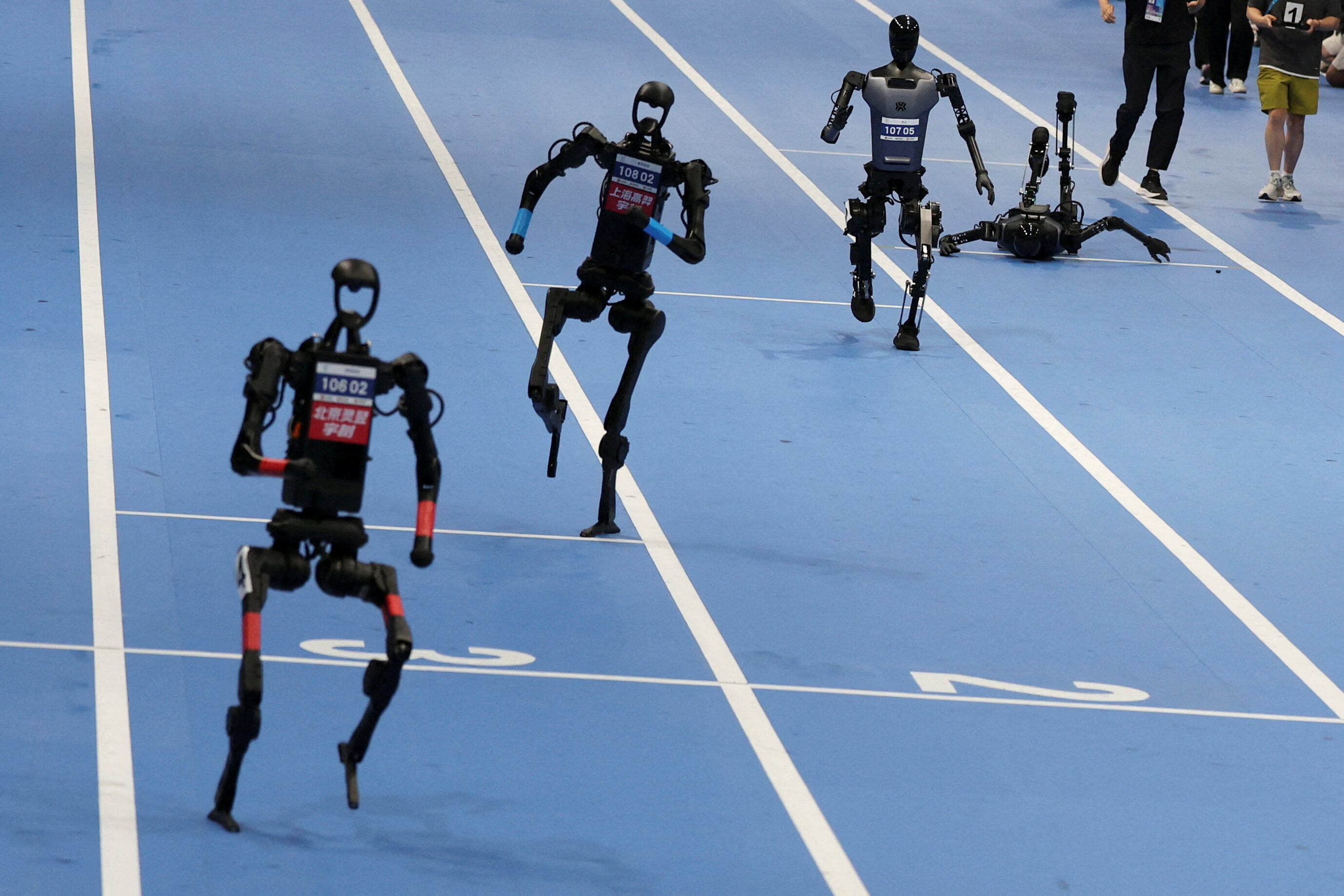
Beyond raw speed, the network relied on AI-powered management to ensure stability. Because humanoid robots require constant, real-time command transmission, H3C implemented proactive diagnostics capable of identifying over 50 distinct connectivity issues. The system also utilized predictive roaming to track robot trajectories, ensuring seamless handovers as they moved across the arena. By isolating competition zones and employing dual-uplink redundancy, organizers maintained a stable digital foundation for a field of competitors that pushed the limits of both robotics and wireless engineering.



Comments (0)
No comments yet. Be the first!