
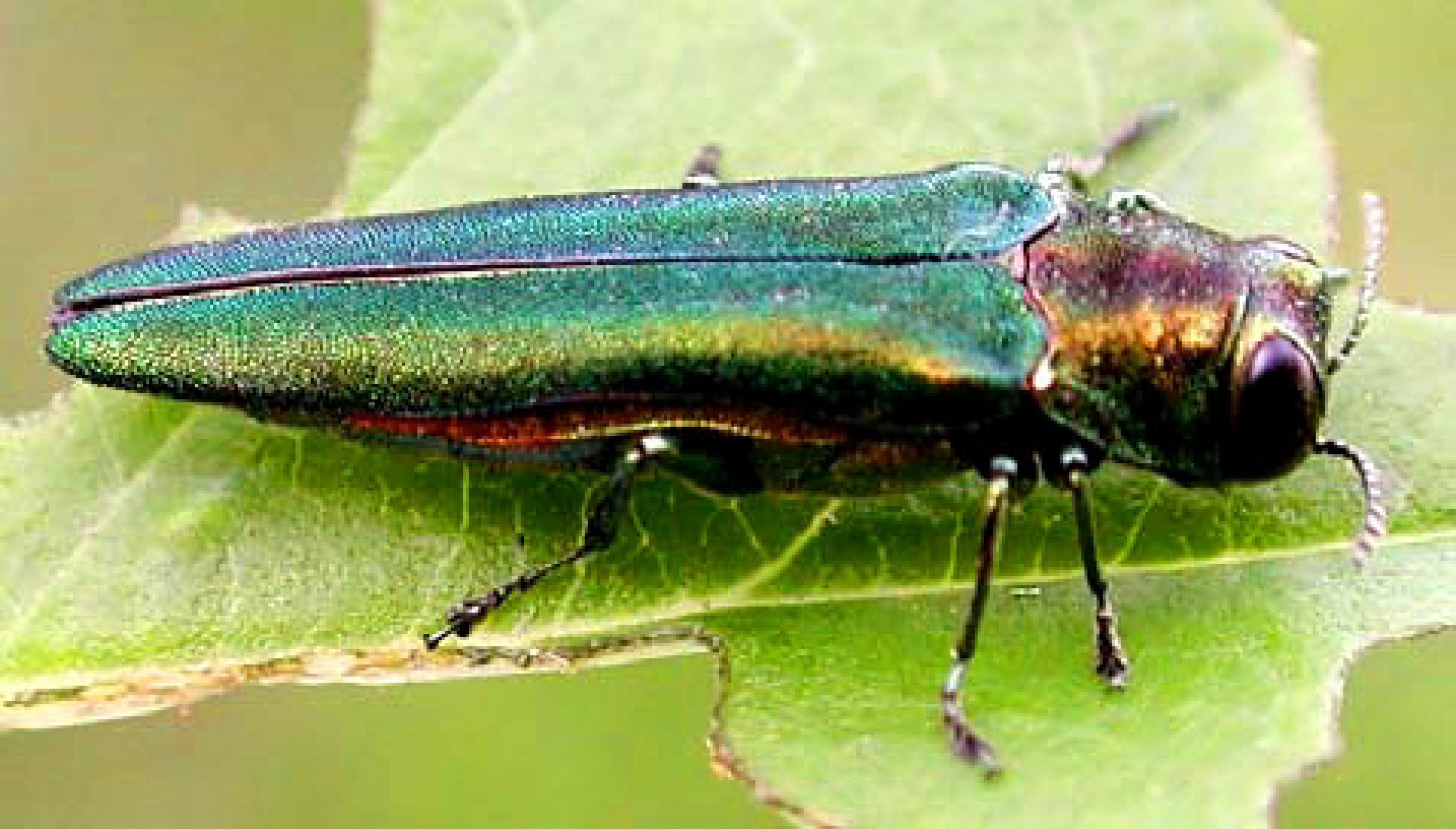
Larger, established ash trees often justify the investment of ongoing chemical treatments, particularly if they provide significant shade or aesthetic value to a property. Conversely, smaller or already stressed specimens may prove more economical to replace. Mayhew notes that the window for successful intervention is narrow; once a tree exhibits thinning leaves, bark splitting, or significant branch dieback, the damage is often too advanced for effective recovery.
Safety remains the primary variable for trees situated near homes or high-traffic walkways. A declining tree in a high-risk location poses a liability that usually necessitates immediate removal rather than a lengthy treatment trial. When removal is deemed the only viable path, proactive planning is crucial. Waiting for a tree to become unstable complicates the process, often requiring heavy equipment and increasing the risk of collateral property damage.

Comments (0)
No comments yet. Be the first!