
The Burning Glass Institute reports that while degree holders still maintain a lower absolute unemployment rate of 2.7% compared to 4.7% for those with only high school diplomas, the historical gap is narrowing significantly. This divergence stems from a tightening labor pool in skilled trades, driven by a wave of retirements among older generations and restrictive immigration policies. Simultaneously, the supply of college graduates has reached record highs, creating a competitive bottleneck for entry-level positions.
College Degree No Longer Guarantees Job Market Dominance
For workers aged 22 to 34, the labor market is undergoing a seismic shift: those without college degrees are enjoying their lowest unemployment rates in decades, while graduates face an uncharacteristic slump. Supply imbalances and the rise of automation are fundamentally altering the traditional value of a university diploma.
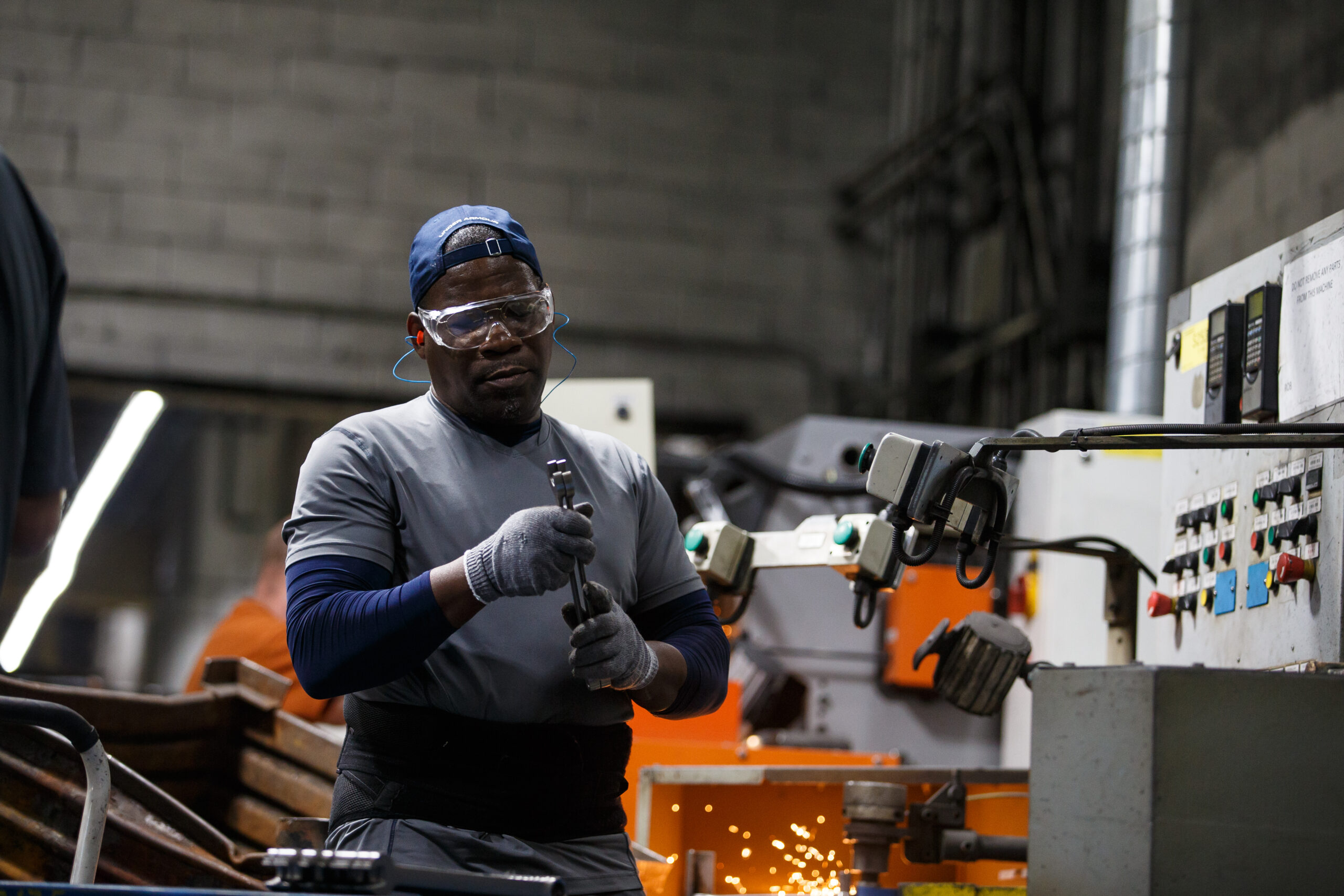
Technological disruption is further complicating the landscape. AI is increasingly performing the administrative and analytical tasks that once served as the primary entry point for recent graduates. Gad Levanon, chief economist at the Burning Glass Institute, suggests this is not a temporary fluctuation but a structural change. As companies pivot their hiring strategies to prioritize practical skills over academic credentials, the long-standing economic advantage of the four-year degree is facing its most significant challenge in years.



Comments (0)
No comments yet. Be the first!