
A new narrative review published in the Aesthetic Surgery Journal Open Forum suggests that the visible facial changes often dubbed "Ozempic face" are not merely a consequence of fat loss. Coauthored by Beverly Hills oculoplastic surgeon Dr. Kami Parsa, the research highlights a paradox where the skin requires increased nutritional support to manage structural changes, yet patients are often consuming fewer proteins, vitamins, and minerals. Data cited in the paper reveals that 22.4% of patients in a large claims analysis received at least one nutritional-deficiency diagnosis within a year of treatment.
Beyond Ozempic Face: The Nutritional Missing Link in Rapid Weight Loss
Patients shedding weight through GLP-1 agonists may face a hidden biological trade-off. As facial fat diminishes, the skin undergoes structural remodeling at the precise moment that suppressed appetites and reduced caloric intake potentially starve the body of the nutrients required to repair and maintain healthy dermal tissue.
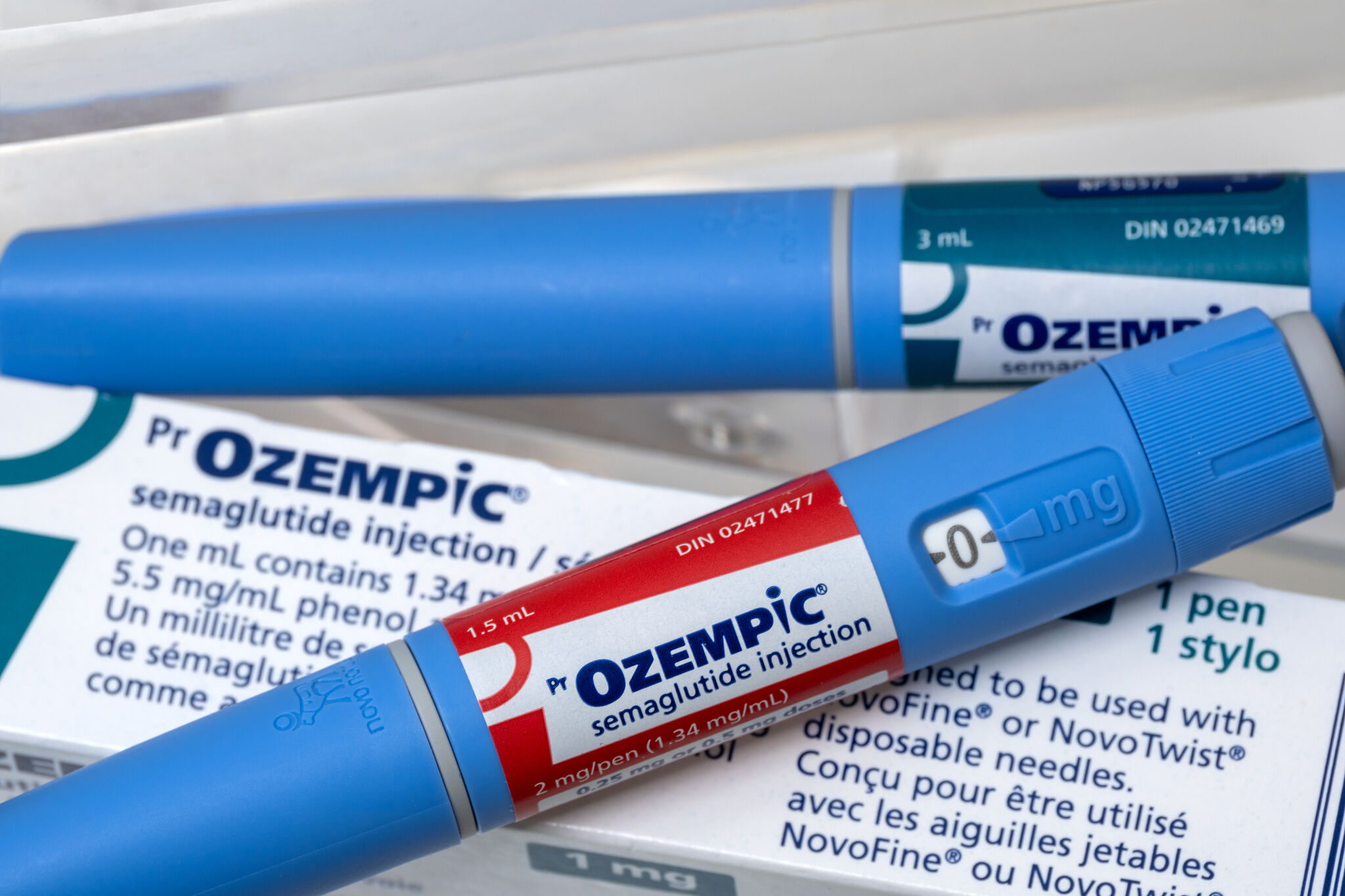
While the study does not claim GLP-1 medications directly damage collagen, it emphasizes that deficiencies in iron, zinc, vitamin B12, and protein may hinder the skin's ability to undergo necessary tissue remodeling. The authors propose a new clinical framework that encourages aesthetic practitioners to screen for nutritional risks before performing elective procedures. By coordinating care between prescribing physicians and nutritionists, practitioners may better support patients through the physical transition of rapid weight loss. Dr. Parsa maintains that these findings are not a critique of the medications themselves, which remain highly effective, but rather a call for more intentional nutritional management during the weight-loss process.


Comments (0)
No comments yet. Be the first!