
Wu Hui, a research fellow at the School of Earth and Space Sciences of Peking University, suggests that shifting away from an 'overheated' research environment is essential for scientific progress. The current landscape often prioritizes project acquisition and publication counts over actual inquiry, a trend that policymakers are now actively working to reverse. By streamlining funding mechanisms and refining evaluation standards, the state aims to provide young scientists the stability needed to pursue challenging, non-mainstream research.
China’s push to cultivate a new generation of scientific talent
As China intensifies its pursuit of technological self-reliance, the focus has shifted toward empowering young researchers to move beyond competitive metrics. By curbing the pressure of prestige-driven academic culture, the national strategy aims to foster long-term breakthroughs in fundamental sciences during the 2026–2030 period.
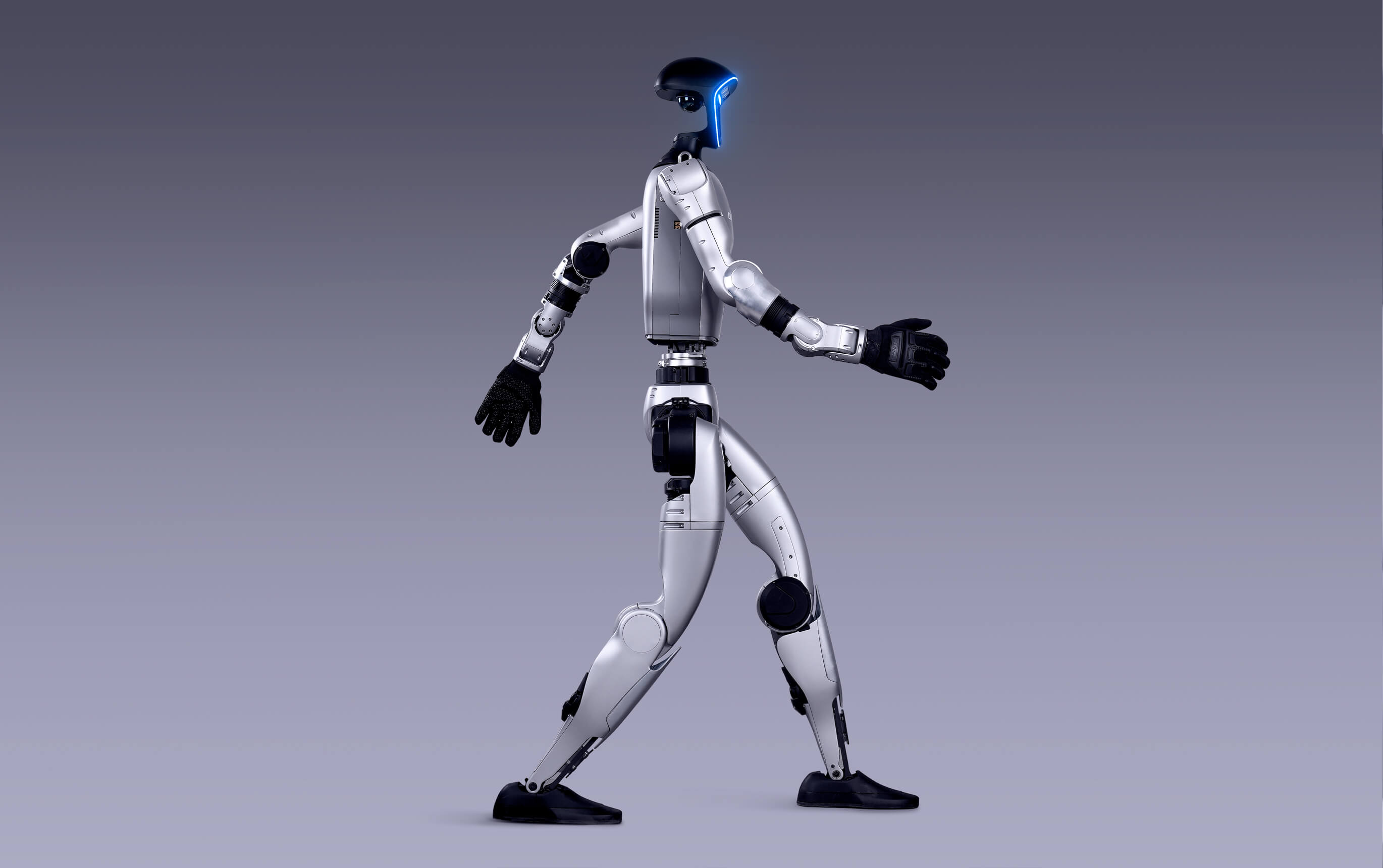
Beyond institutional support, the conversation emphasizes a holistic approach to scientific literacy. Drawing on his own background in geotechnical engineering, Wu notes that interdisciplinary expertise—often cultivated through diverse hobbies and experiences—is what frequently drives breakthroughs. This philosophy mirrors the broader national initiative to nurture talent by identifying specific interests early, while balancing the dual goals of domestic self-reliance and global collaboration. As AI tools increasingly infiltrate fields from geophysics to education, Wu highlights the necessity for rigorous global governance to mitigate risks like model hallucinations, positioning China as a key architect in the responsible development of these technologies.


Comments (0)
No comments yet. Be the first!