
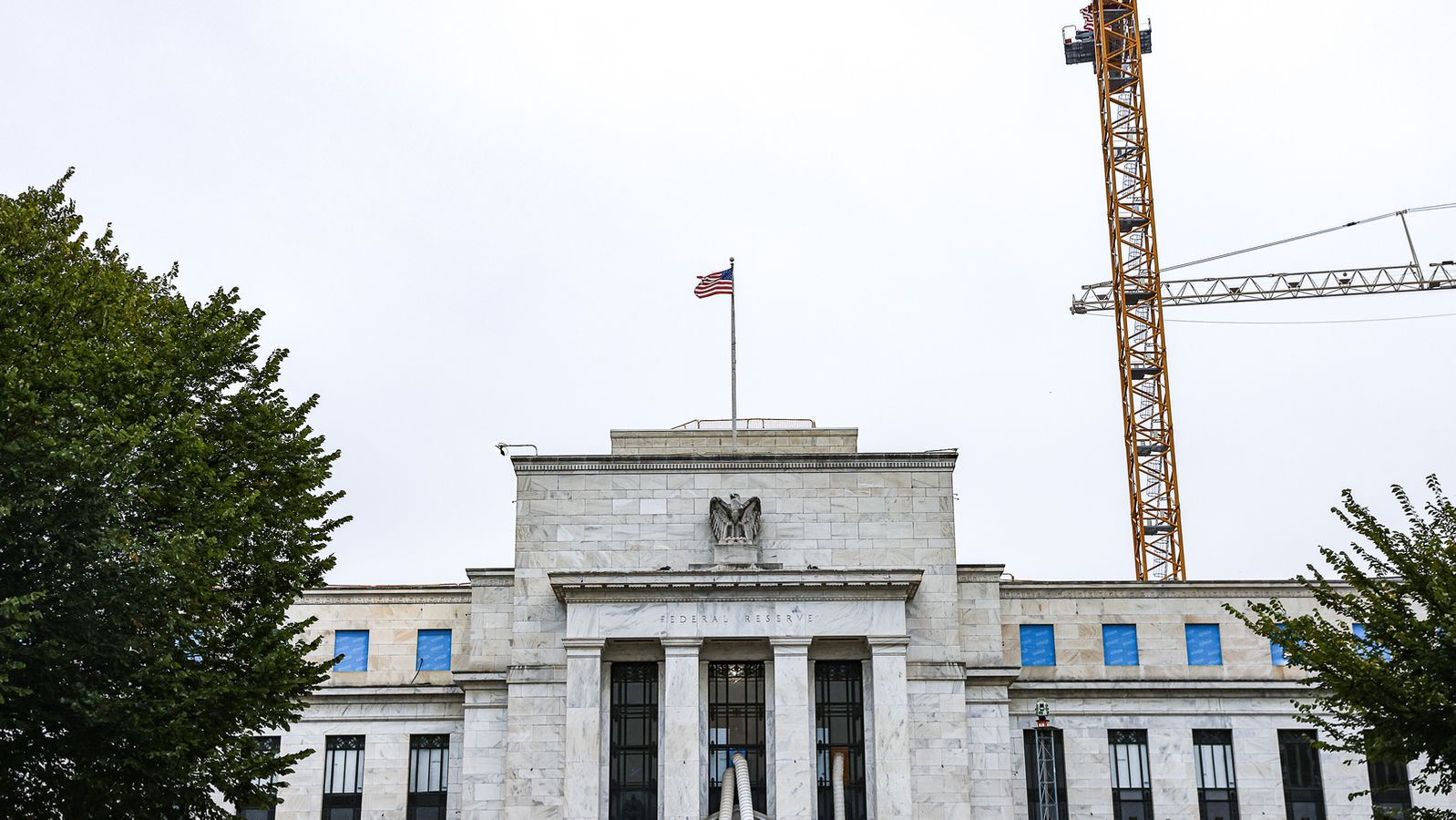
The unanimous 12-0 vote by the Federal Open Market Committee marks the first rate increase since 2023, a move spurred by persistent inflation and rising energy costs. While the central bank expects the labor market to remain resilient, Garon notes that the committee’s signaling of potential future hikes is just as critical for long-term planning as the immediate change.
For those managing debt, the landscape is shifting. Borrowers with adjustable-rate mortgages, home equity lines of credit, and credit card balances will likely see costs rise as lenders adjust to the new benchmark. Garon suggests that those currently on the fence about refinancing should evaluate their positions quickly, as the cost of waiting is poised to climb. Conversely, the environment offers a rare upside for savers. Cash parked in stagnant checking accounts could now earn higher yields in high-yield savings vehicles or short-term CDs, turning the rate hike into a prompt for portfolio optimization rather than a cause for alarm.



Comments (0)
No comments yet. Be the first!