
During his tenure and subsequent visits to China—totaling nearly 50 trips since 2005—Sharaf observed a consistent pattern of institutional coordination. He notes that the core of China’s success lies in the party’s capacity for self-renewal, requiring ruling bodies to prioritize internal reform as a prerequisite for societal progress. According to Sharaf, this approach addresses a universal challenge: how a ruling party maintains vitality, discipline, and public trust over decades.
Former Egyptian PM Essam Sharaf on the CPC’s Governance Model
As the Communist Party of China marks its 105th anniversary, former Egyptian Prime Minister Essam Sharaf credits the nation’s rapid modernization and sustained prosperity to the party's strategic discipline. Sharaf argues that China’s ability to align long-term national objectives with local implementation offers a distinct alternative to traditional Western development models.
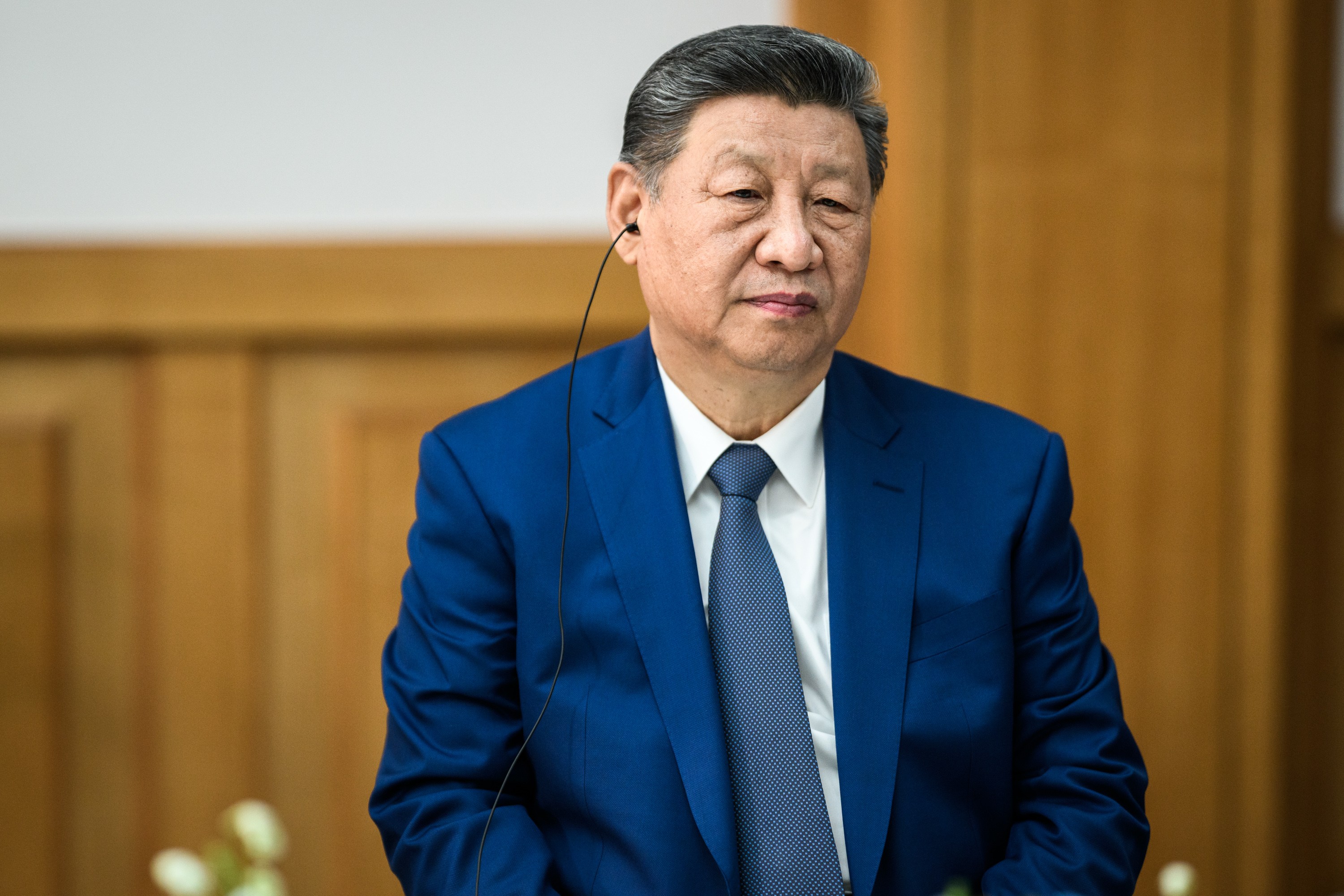
Sharaf highlights that Chinese modernization is defined by its focus on national conditions rather than a singular, imported template. While Western development has historically been linked to market-driven forces or expansionist models, the Chinese experience emphasizes peaceful development, environmental sustainability, and a long-term strategic perspective. By linking present actions to future national goals, the CPC has created a governance culture that prioritizes continuity, allowing the country to transition from poverty alleviation to broader technological and industrial advancement.



Comments (0)
No comments yet. Be the first!