
The current generational handover involves an estimated $1 trillion in art and $570 billion in collectible cars, items that often prove burdensome for heirs with different tastes. Unlike bulky antiques or niche collectibles, jewelry maintains a transparent marketplace. Unvault data suggests the average U.S. household sits on roughly $5,700 in unappraised gold, totaling $750 billion nationwide. This figure excludes silver, platinum, and the significant premiums associated with designer pieces.
The $750 Billion Jewelry Jackpot Awaiting Heirs
As the Great Stuff Transfer shifts $93 trillion in assets to younger generations, jewelry is emerging as the most practical inheritance. While heirs struggle to manage flooded attics of unwanted furniture and collectibles, gold and precious stones offer a rare combination of immediate liquidity and enduring personal connection.
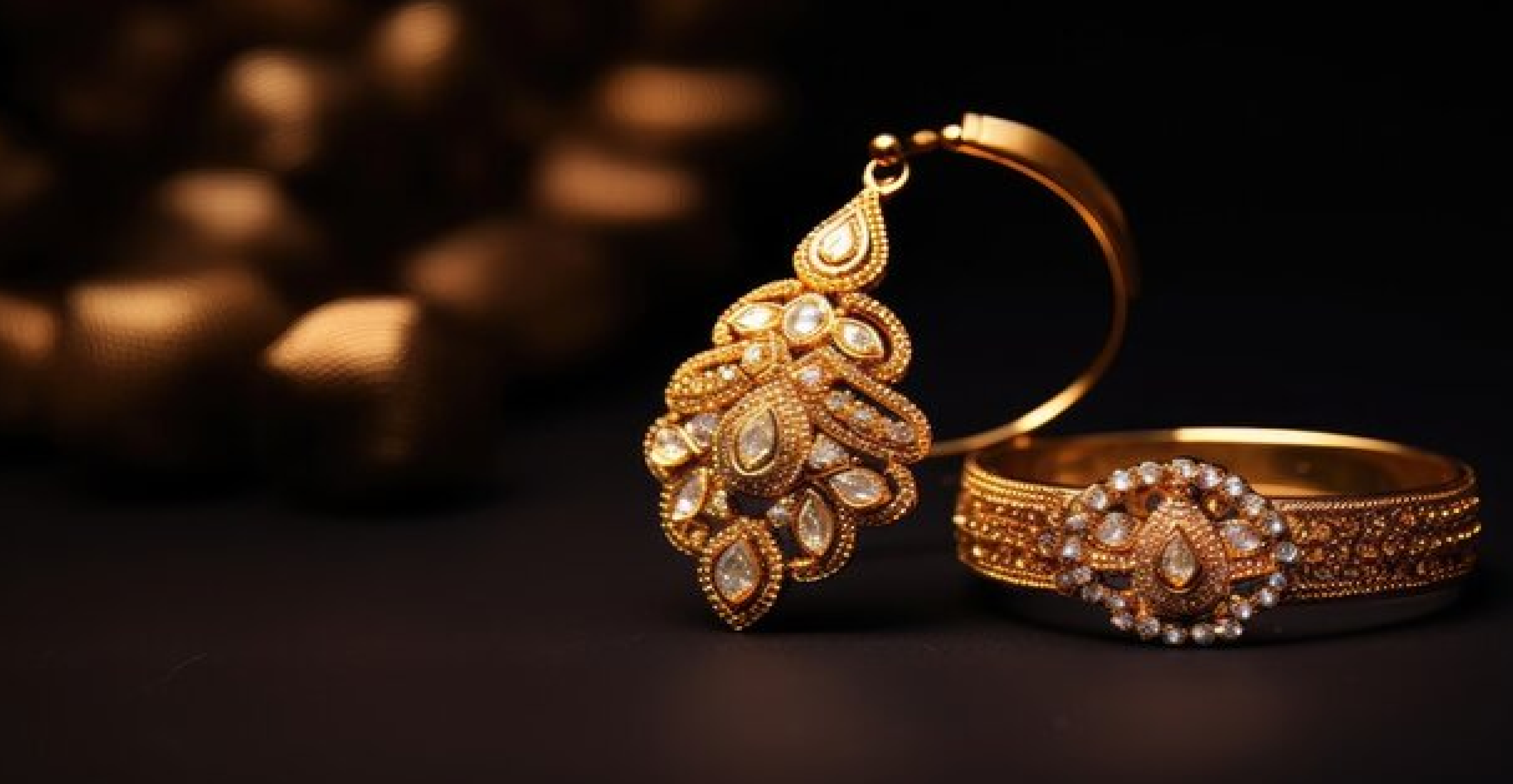
For Andrew Stinger, who recently managed his late parents' South Carolina home, the distinction became clear during the sorting process. While disposing of his mother’s collection of miniature Dickens houses felt like an emotional minefield, the family jewelry provided a straightforward path. Pieces were either distributed among relatives or earmarked for future generations, such as his mother’s engagement ring, which is reserved for her only granddaughter. Because these assets are compact and carry inherent material value, they bypass the logistical nightmares typical of massive estate liquidations, allowing families to preserve lineage without the weight of excess inventory.



Comments (0)
No comments yet. Be the first!