
Older homes in Eastern North Carolina present a unique set of challenges tied to the region’s specific soil and moisture conditions. Ferruzzi emphasizes that the initial phase of any renovation must prioritize structural integrity over design. Homeowners should look for telltale warning signs, such as sagging floors, sticky doors, or hairline cracks, which often signal that the house has shifted or settled unevenly over the decades.
Renovating Older Homes: A Structural Safety Guide for Greenville Owners
Greenville homeowner dreams often collide with the reality of aging construction, where cosmetic upgrades can mask significant structural hazards. Handyman expert Tim Ferruzzi warns that properties built before 1980 frequently hide outdated wiring, moisture-damaged framing, and load-bearing vulnerabilities that require professional evaluation long before the first wall comes down.
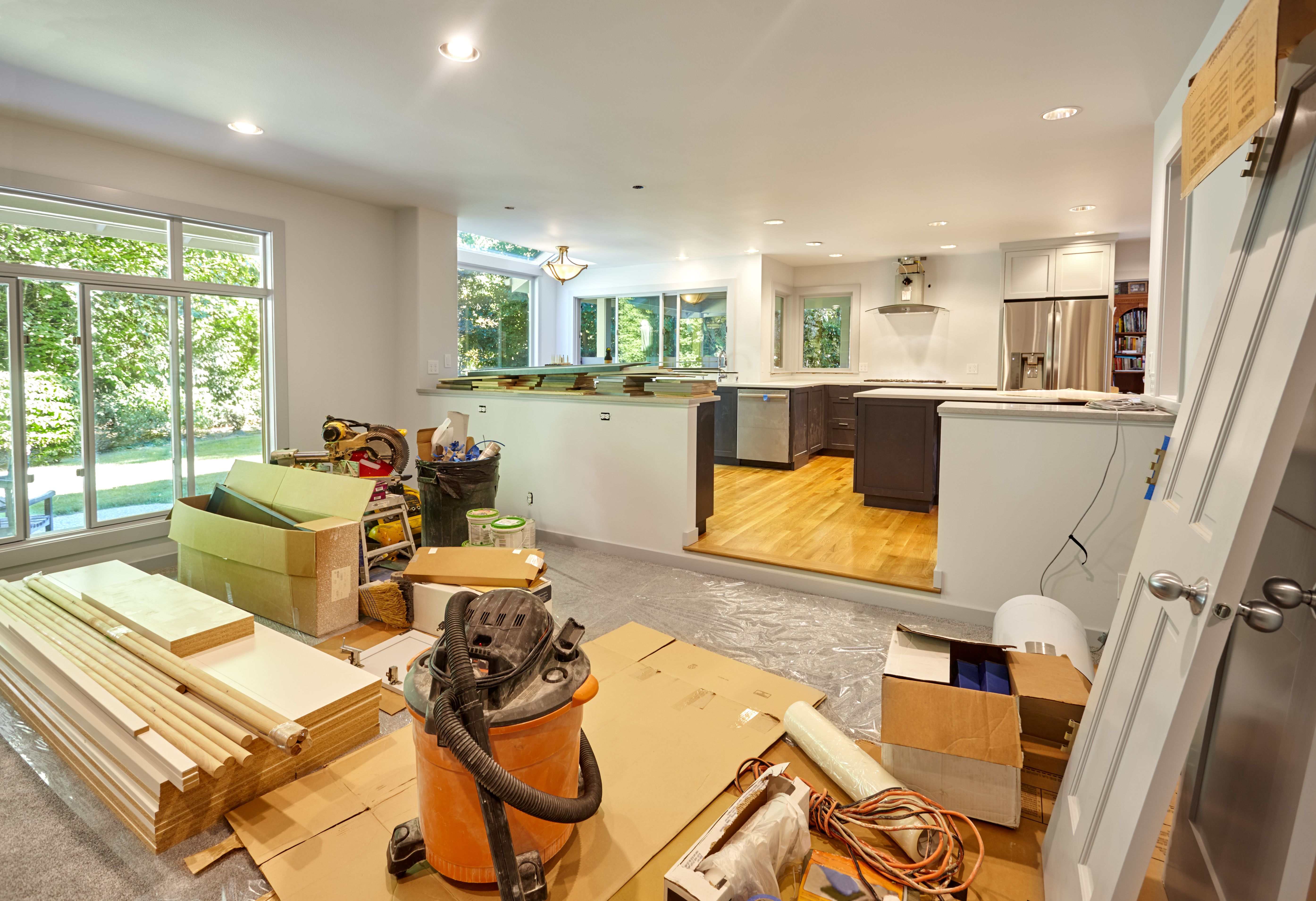
Electrical and plumbing systems represent the most common points of failure during major renovations. Older electrical panels often struggle to handle the increased load of modern appliances, while aging pipes hidden behind walls frequently harbor corrosion. Beyond utility upgrades, the presence of hazardous materials like lead-based paint or asbestos requires careful handling during demolition. By identifying these issues early, owners avoid the costly cycle of tearing out new finishes to reach failing infrastructure underneath, ensuring that the renovation remains both safe and financially sustainable.



Comments (0)
No comments yet. Be the first!