A rhythmic shudder through the steering wheel during a stop is more than a nuisance; it is a mechanical warning. Chad Shelton, owner of Bailey’s Service Center in Shelbyville, Kentucky, identifies the primary culprits behind these vibrations, ranging from thermal damage in rotors to underlying failures in suspension geometry.
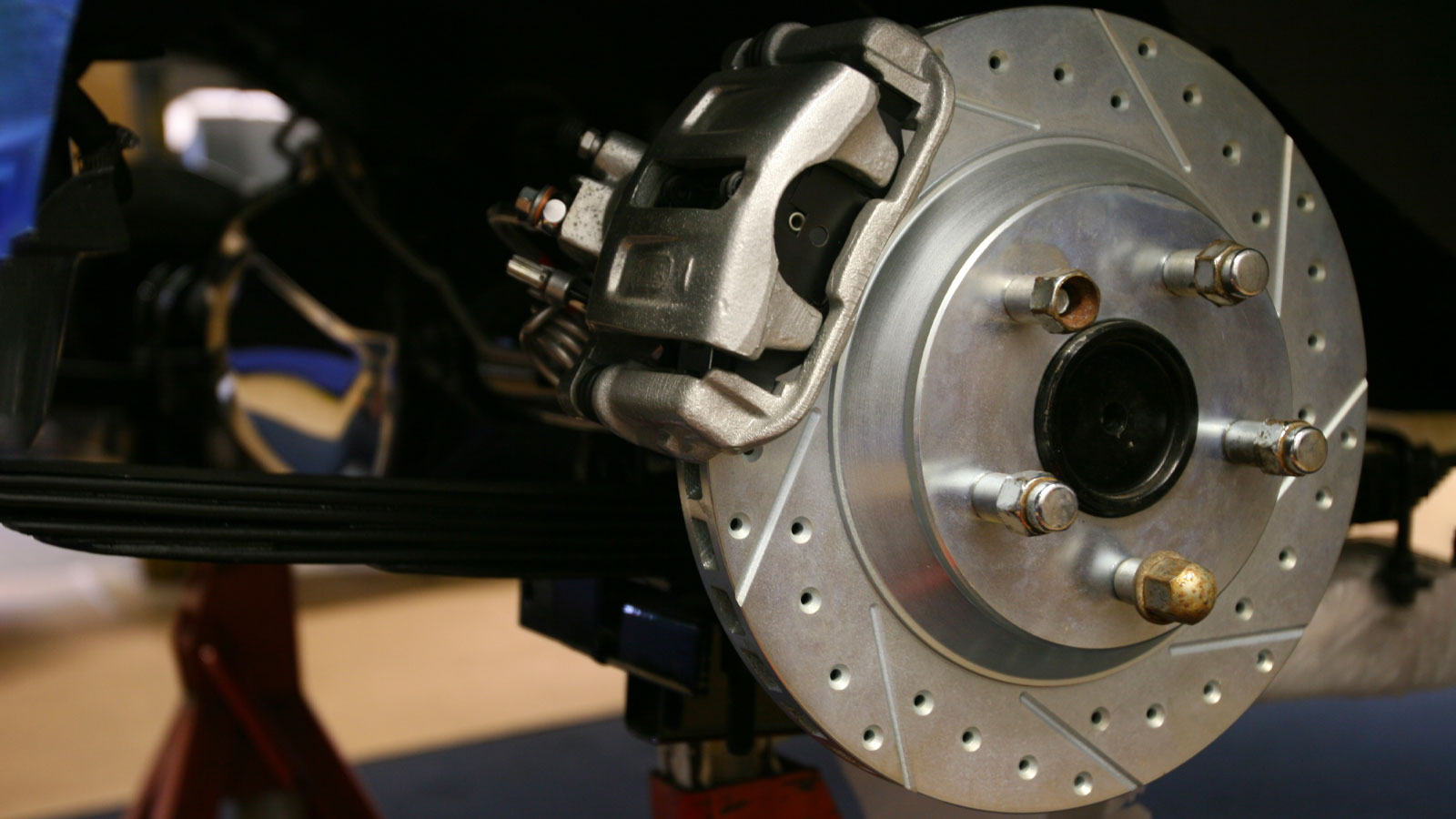
When a vehicle shakes under deceleration, the braking system is struggling to maintain consistent contact. The most frequent offender is the warped rotor, which loses its flatness after repeated heat cycles and heavy friction. This uneven surface prevents brake pads from seating properly, creating the oscillating feedback drivers feel in the pedal and steering column.
Beyond the rotors, the integrity of the pads and calipers remains critical. Contaminated or unevenly worn brake pads exert inconsistent pressure, while a seized caliper can cause the vehicle to pull to one side during a stop. Shelton emphasizes that these mechanical issues rarely remain isolated; they often overlap with suspension wear, such as degraded ball joints or tie rods, which amplify vibrations that might otherwise go unnoticed.
Ignoring these symptoms—particularly grinding noises or a soft brake pedal—risks more than just a repair bill. These signs often point to compromised stopping distances or fluid system failures that jeopardize road safety. Professional intervention remains the only reliable method for isolating the fault, as a precise diagnosis prevents secondary damage to related components. Routine inspections serve as the primary defense, ensuring that rotor surface integrity and pad lifespan are managed before a minor vibration evolves into a significant mechanical failure.




Comments (0)
No comments yet. Be the first!