
Consumer interest in nutrient-dense, plant-based alternatives has turned spirulina from a niche supplement into a staple of the modern food and nutraceutical industries. The cyanobacteria's high protein content and rich amino acid profile make it a preferred candidate for companies moving away from synthetic additives. Beyond nutrition, the industry is seeing a significant uptick in demand for phycocyanin, a natural blue pigment derived from the algae that is increasingly replacing artificial dyes in beverages and confectionery products.
Spirulina Market Set to Double by 2034 as Plant-Based Demand Surges
The global spirulina market is projected to reach USD 1612.91 million by 2034, growing at a 10.6% annual rate from its 2025 valuation of USD 651.35 million. This expansion is driven by a shift toward sustainable proteins, clean-label natural colorants, and the increasing integration of algae-based ingredients into functional foods.
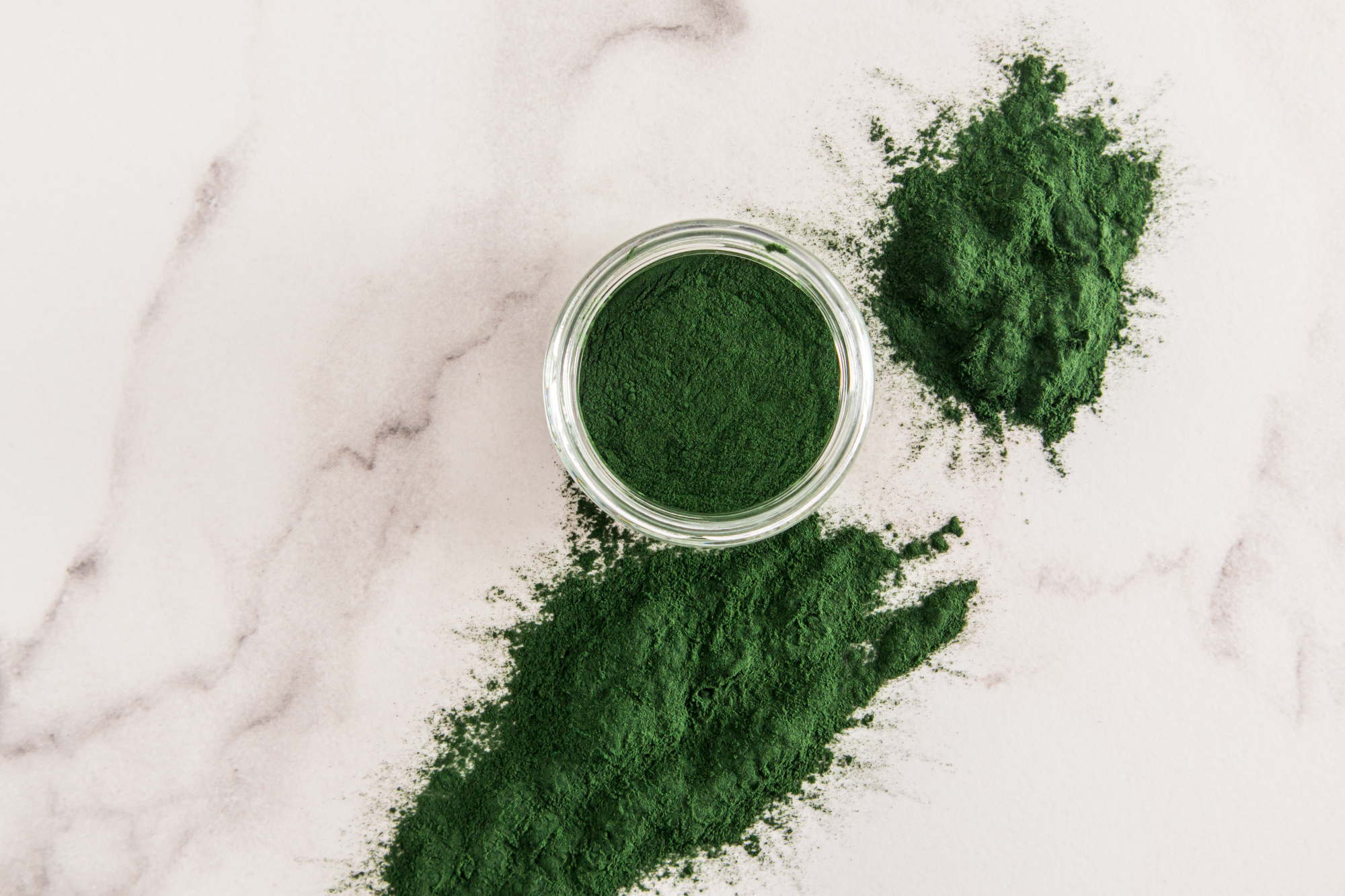
Technological breakthroughs are currently reshaping how this biomass is produced. The adoption of advanced photobioreactors and AI-enabled cultivation monitoring has allowed producers to improve yield quality while reducing contamination risks. While North America remains the dominant market, Asia-Pacific is emerging as a critical hub for high-growth production, spurred by large-scale investments in food processing and aquaculture feed. Despite these gains, high operational costs—specifically in harvesting and drying processes—remain a hurdle for wider adoption in cost-sensitive sectors. Major industry players, including Earthrise Nutritionals, DIC Corporation, and Parry Nutraceuticals, are now focusing on scaling these extraction technologies to maintain price competitiveness in a maturing global landscape.



Comments (0)
No comments yet. Be the first!