
Maoz Inon, an Israeli who lost his parents on October 7, and Aziz Abu Sarah, a Palestinian from East Jerusalem, briefed the Council on behalf of the Alliance for Middle East Peace (ALLMEP). They argued that while the International Fund for Israeli-Palestinian Peace—launched by the UK, Canada, and Australia—offers a vital template, it remains under-resourced. Modeled after the fund that sustained the Good Friday Agreement in Ireland, this mechanism represents the first multilateral effort to provide long-term financial backing to local peacebuilders.
Peacebuilders Urge UN to Institutionalize Support for Civil Society
Two years after the G7 pledged to formalize support for Middle East peace efforts, Israeli and Palestinian activists are demanding that governments move beyond occasional invitations. Addressing the UN Security Council, they called for permanent funding and a standing seat in diplomatic processes to bridge the gap between rhetoric and reality.
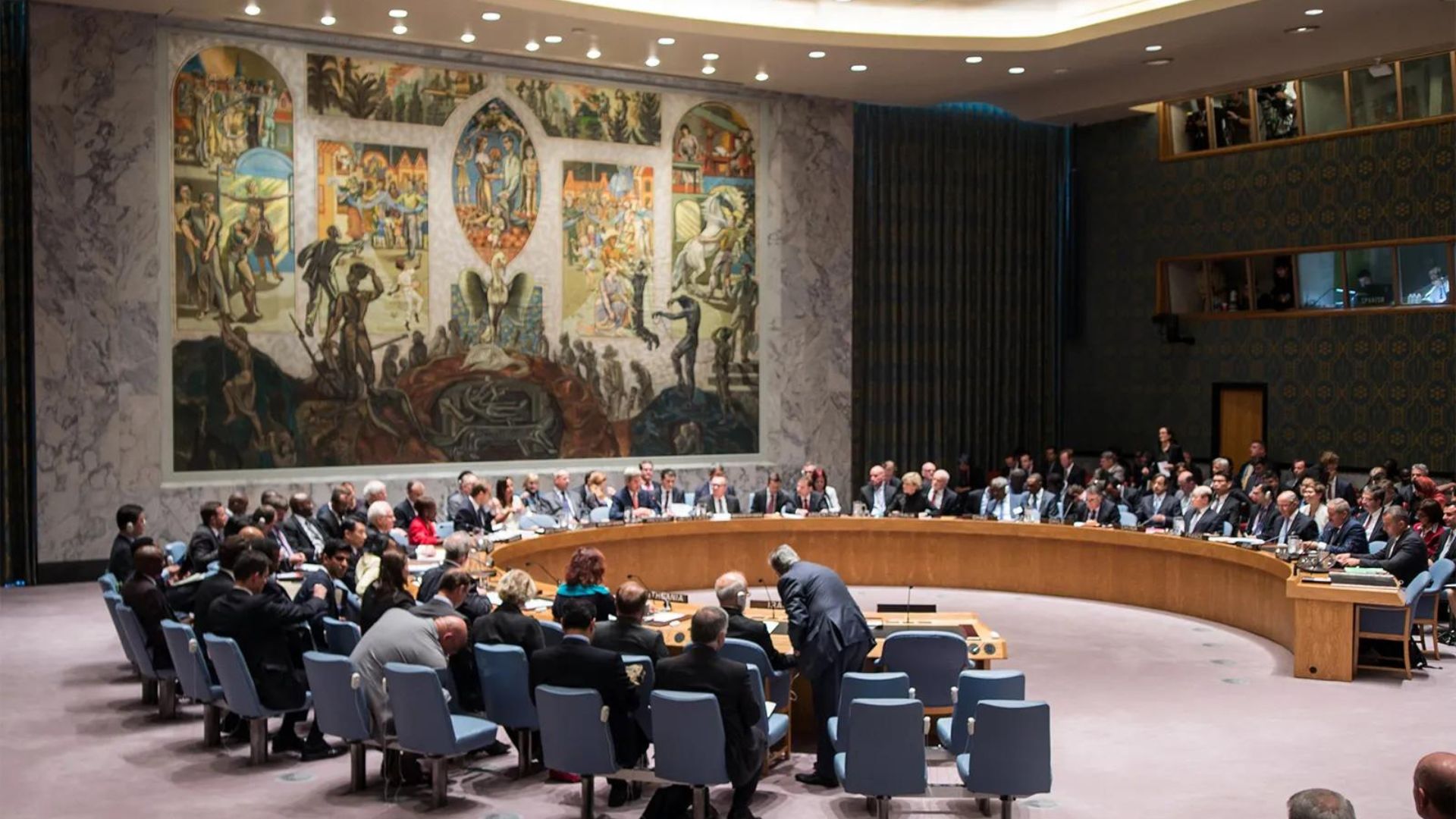
Despite a 2024 G7 commitment to institutionalize civil society engagement, the transition from sporadic meetings to consistent policy remains incomplete. Recent diplomatic efforts, including a roundtable convened by French Foreign Minister Jean-Noël Barrot, have signaled a shift in strategy. However, activists emphasize that these interactions must become the new diplomatic norm. John Lyndon, executive director of ALLMEP, stressed that governments have begun to treat grassroots organizations as partners, but the next step is integrating these voices into every dimension of formal diplomacy to ensure accountability and sustainable change.



Comments (0)
No comments yet. Be the first!