
Chesak notes that when window seals fail, insulating gases like argon escape, leaving homes vulnerable to heat loss and inflated energy bills. Beyond the immediate discomfort of cold spots, visible issues such as peeling paint or windows that stick when operated suggest that materials have deteriorated. In the harsh climate of the Midwest, these small gaps quickly expand, potentially leading to moisture damage or interior mold if left unaddressed.
Identifying Failing Windows Before Wisconsin Winters Hit
As temperatures drop across Wisconsin, homeowners often discover their living spaces are losing the battle against the cold. Ryan Chesak, a Cedarburg-based roofing and window expert, warns that subtle indicators like drafts, warped frames, and condensation between glass panes often signal that window seals have reached their functional limit.
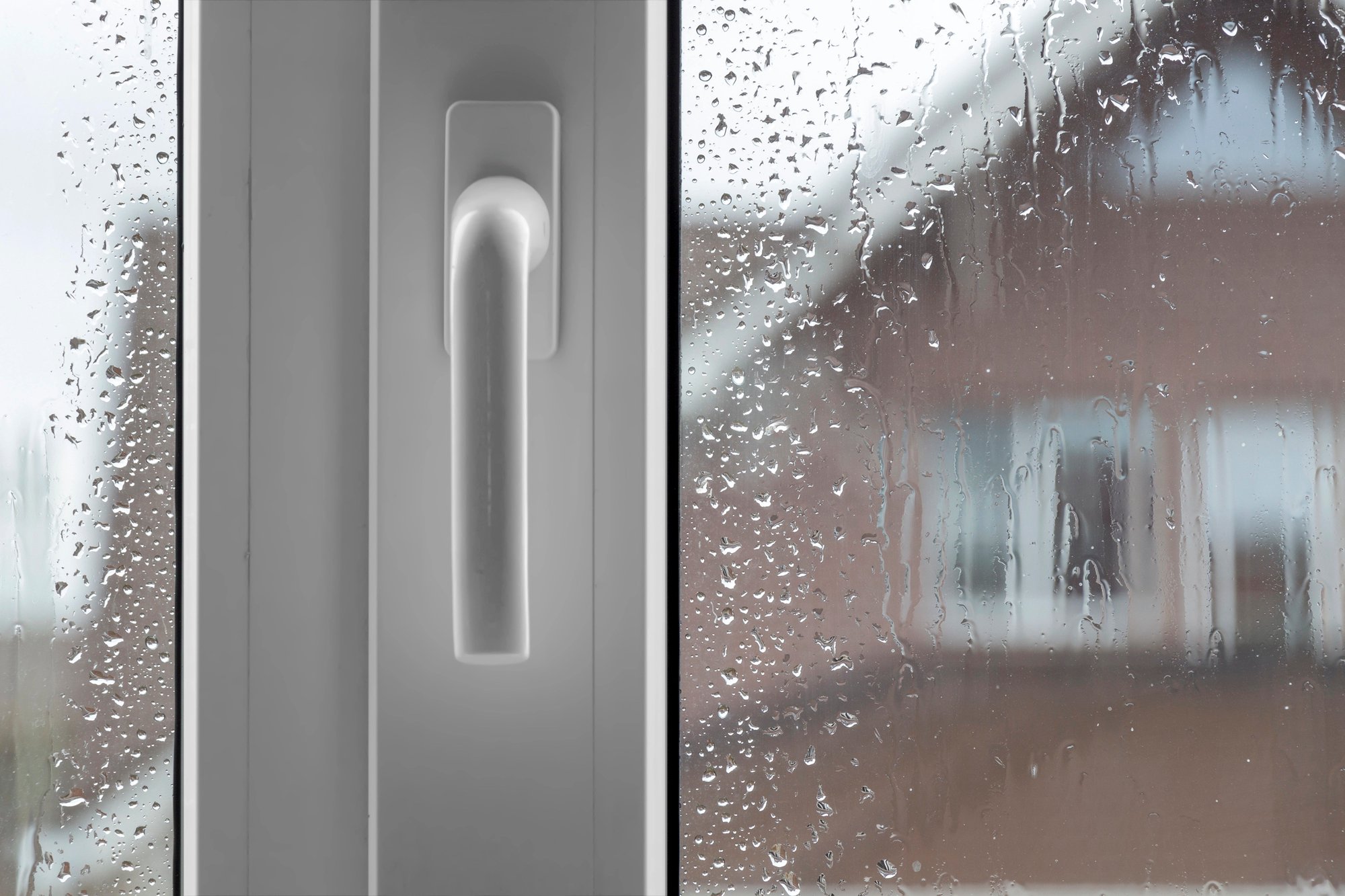
Modern replacements offer significant efficiency gains over older units, utilizing multi-pane glass and Low-E coatings to stabilize indoor temperatures. While the prospect of installation can feel daunting, Chesak advocates for completing these projects before the onset of freezing weather. Mild autumn conditions allow for precise sealing and caulking, which are essential for long-term performance. Proper installation remains as vital as the product itself, as even the highest-rated windows will falter if frames are misaligned or seals are compromised. By upgrading windows that are more than twenty years old, residents can improve home value while securing a more consistent, energy-efficient environment for the winter months.



Comments (0)
No comments yet. Be the first!