
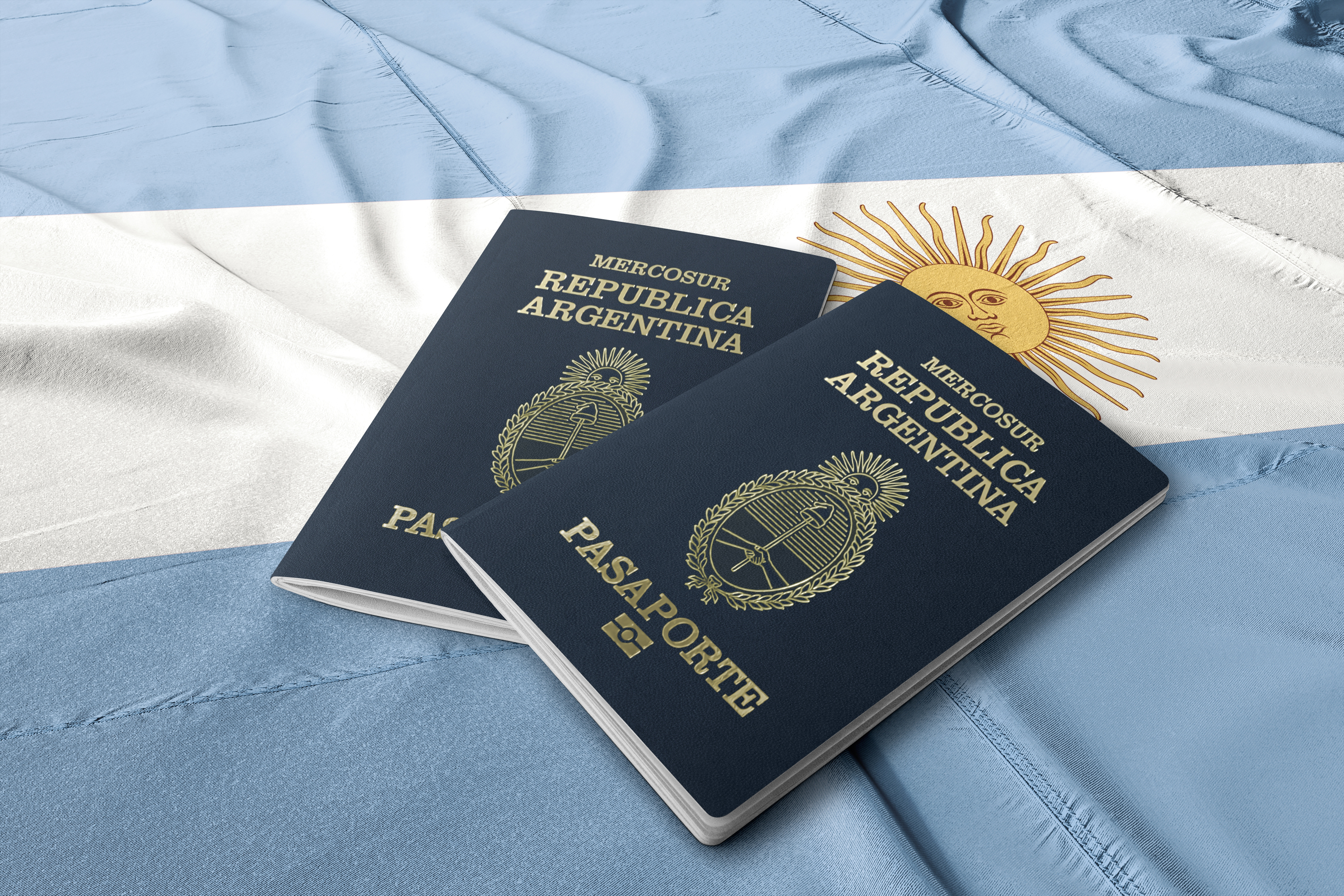
The program represents a significant pivot for the administration of President Javier Milei, who is leveraging free-market policies to address chronic debt and poverty. Advisors estimate the initiative could generate up to $2.5 billion, providing a critical influx of hard currency for a nation currently absent from international bond markets. However, the path to implementation remains complex; industry experts warn that the program must navigate significant reputational hurdles, including a low score on the 2025 Corruption Perceptions Index.
Bruno L'ecuyer, CEO of the Investment Migration Council, noted that the success of the scheme hinges on rigorous due diligence and a sound legal foundation. While the current framework mandates that funds pass through central bank-authorized institutions, critics point to the lack of published application procedures and the cancellation of a key operator tender last April as potential red flags. Investors face a steep entry price, including a $350,000 non-refundable contribution and an $800,000 bond requirement, necessitating a high tolerance for sovereign risk.



Comments (0)
No comments yet. Be the first!