
The European regulation, which entered into force in late 2024, forces a shift in how industrial hardware is designed. Manufacturers must now integrate security from the initial engineering phase, manage vulnerabilities throughout the product lifecycle, and provide continuous updates. For specialized equipment like locomotive and industrial remote controls, this creates a significant challenge, as these systems often remain in service for two decades in environments where traditional network patching is difficult.
Cattron Prepares Industrial Remote Controls for EU Cyber Resilience Act
With the first reporting deadline for the European Union's Cyber Resilience Act set for September 2026, Ohio-based Cattron has moved to certify its wireless remote control systems. The move marks one of the earliest proactive efforts by an industrial manufacturer to align hardware with the bloc's tightening cybersecurity mandates.
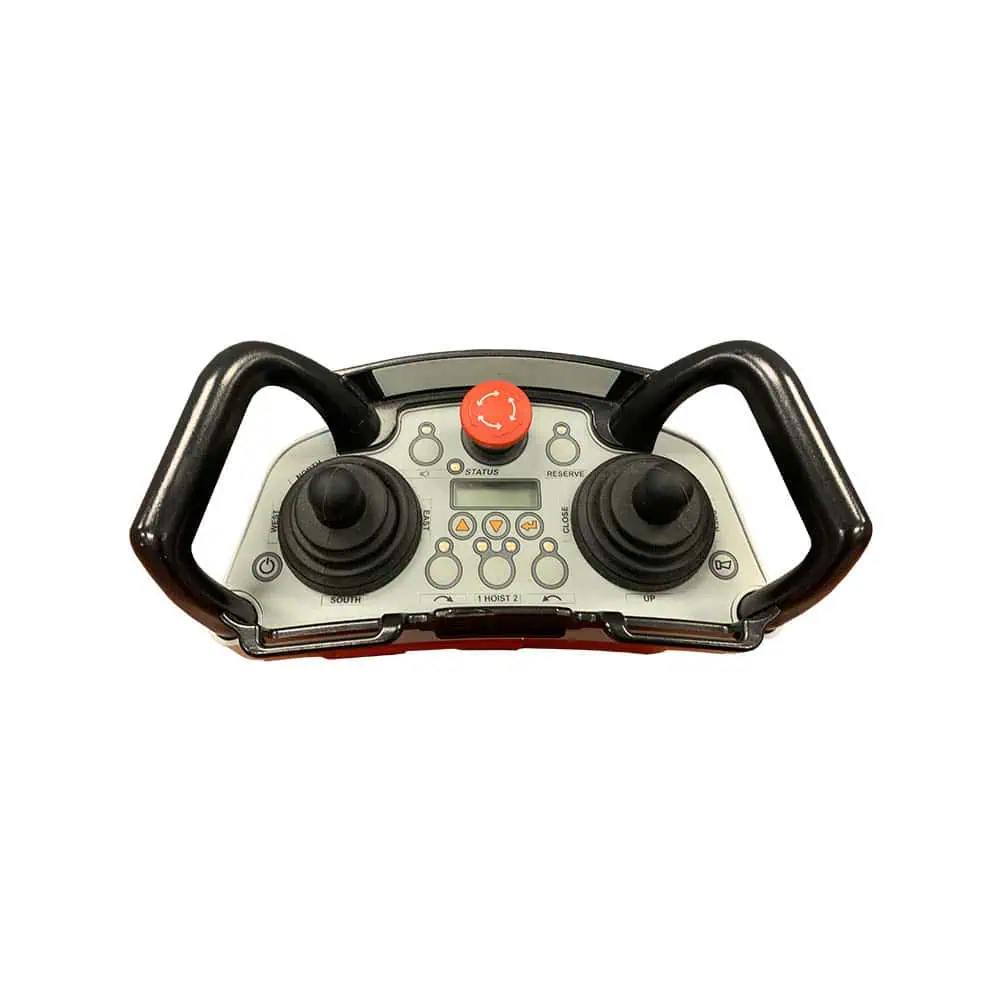
Stefan Schwiers, vice president of sales for Cattron’s European market, noted that the industry can no longer rely on adding security features as an afterthought. To meet the requirements of Annex I, Cattron has overhauled its portfolio—including EC/LO Pro locomotive systems, Excalibur-E controls, and Remtron transmitters—to feature encrypted communication and secure configuration management. The company plans to support these systems through serial-number-level traceability and controlled firmware updates, ensuring that compliance is maintained long after the initial deployment.



Comments (0)
No comments yet. Be the first!