
The report, commissioned by the International Council of Chemical Associations, contrasts a production-cap model with a strategy focused on improving collection infrastructure in regions with the highest levels of mismanaged waste. Analysts found that the latter approach would yield 68% more recycled plastic—an increase of 33.6 million metric tons—compared to the 19.9 million metric tons produced under a cap.
Oxford Economics Report Challenges Global Plastic Production Caps
A 5% cap on virgin plastic production would cost global households $128.4 billion while driving up consumer prices, according to a new study by Oxford Economics. Researchers argue that targeted waste management and recycling incentives offer a more effective path to reducing environmental leakage without triggering such significant economic disruption.
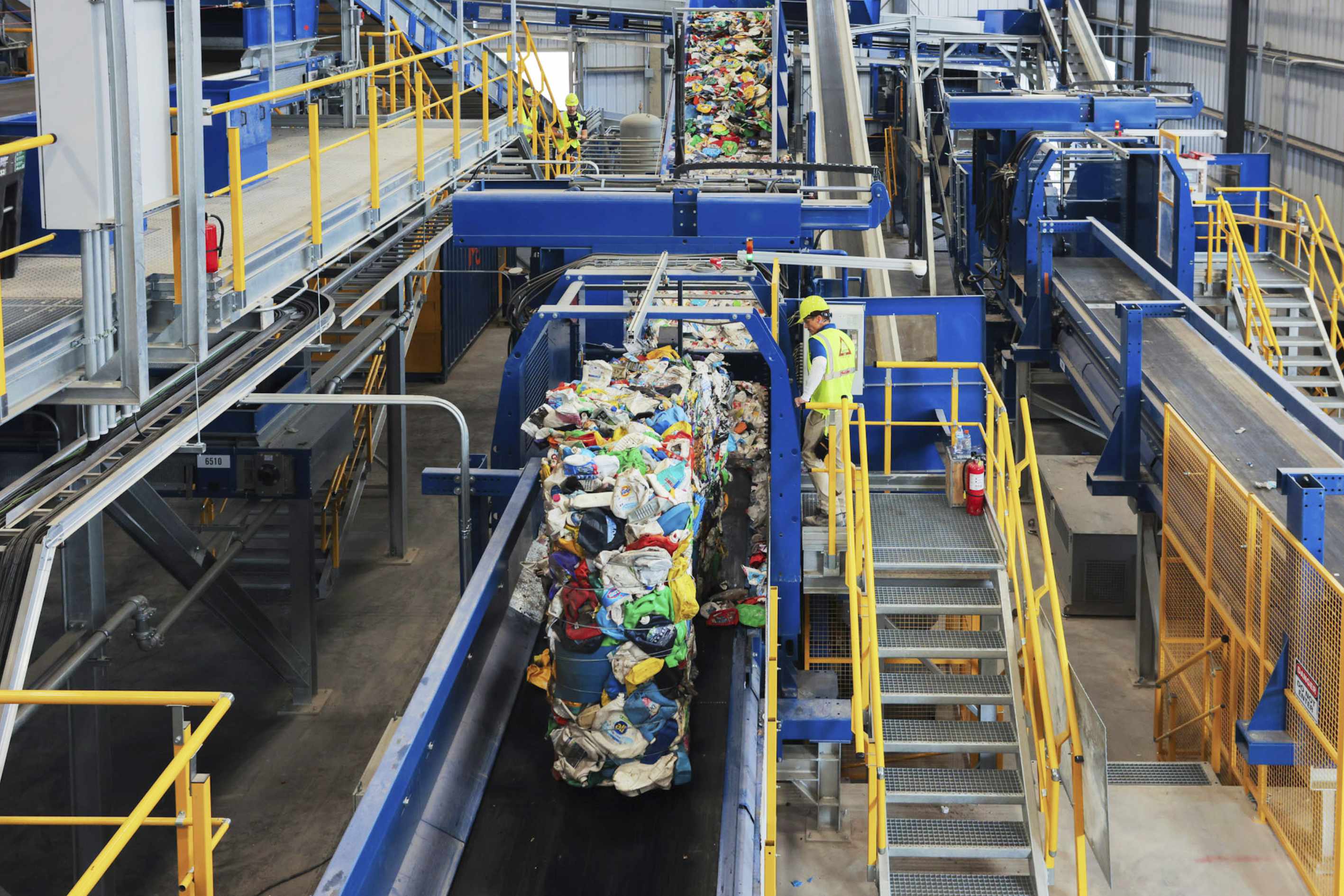
Economic impacts remain a central concern for policymakers. While a production cap is projected to raise plastic prices by 8.5%, targeted recycling incentives could lead to a 0.2% decline in costs. Alice Gambarin, an associate director at Oxford Economics, noted that because demand for plastics is largely inelastic, capping supply often forces prices upward rather than shifting consumption to alternative materials. The study highlights that the burden of a production cap would be felt unevenly, with North America, Western Europe, and East Asia suffering billions in household welfare losses. Conversely, the researchers suggest that prioritizing waste collection for the 2.7 billion people currently lacking access provides a viable route to environmental goals while maintaining global economic stability.



Comments (0)
No comments yet. Be the first!