
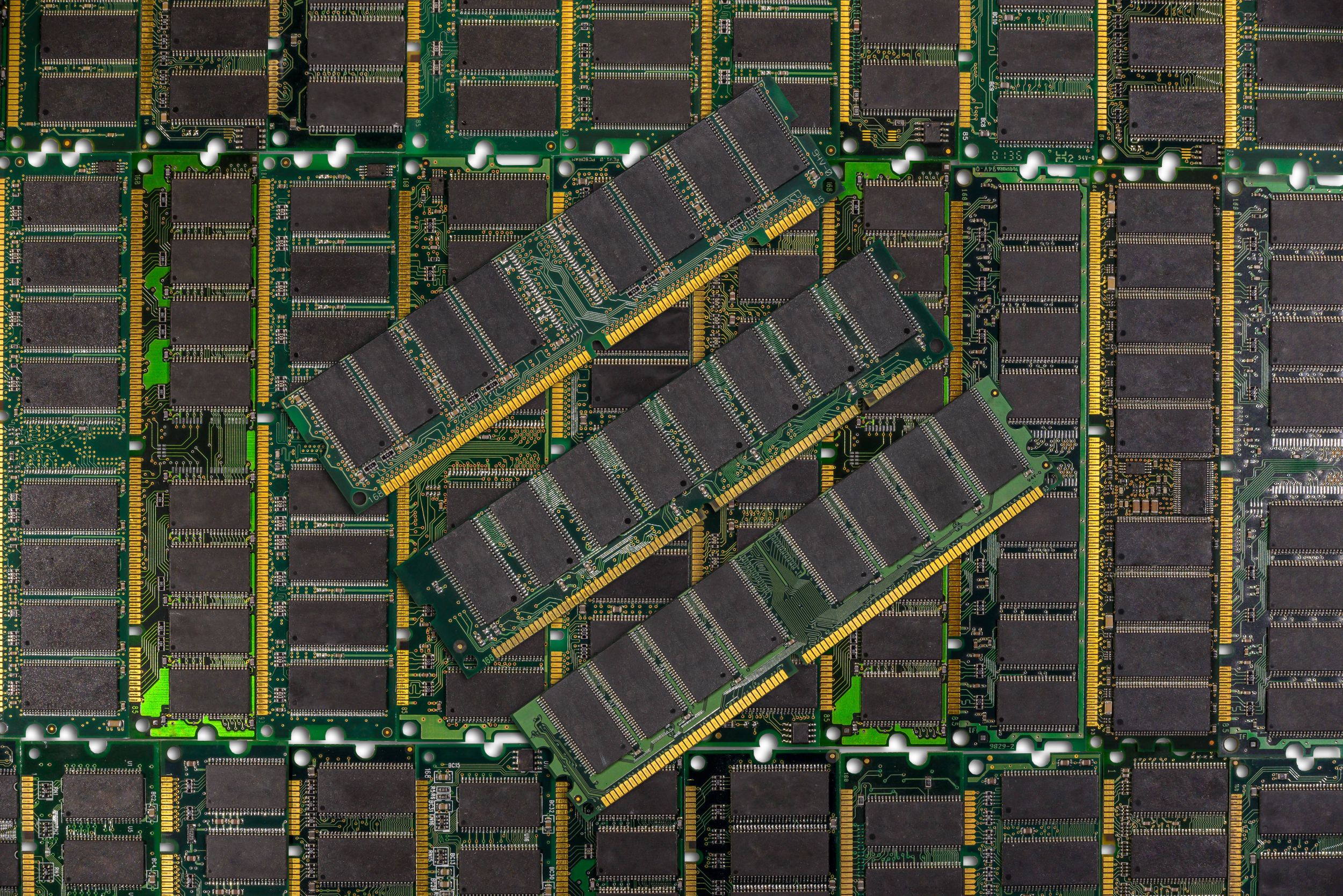
The summit highlighted a fundamental shift in the computing stack: memory and storage are no longer passive components but active drivers of AI efficiency. Morgan Stanley’s Daniel Yen noted that as model weight loading and KV cache management grow increasingly complex, the strategic value of storage within AI capital expenditure is climbing. This pressure is forcing the industry to move beyond traditional architectures, with experts pointing to high-bandwidth flash (HBF) and heterogeneous multi-media storage as the next frontier for balancing performance and cost.
Major players are already recalibrating their product roadmaps to meet these requirements. Samsung is focusing on Z-NAND and PCIe Gen6 SSDs to manage KV cache volumes, while Solidigm and Sandisk are championing high-density QLC SSDs to provide a more cost-effective foundation for enterprise inference. Beyond the data center, the conversation extended to the edge and endpoint devices. Arm and BIWIN emphasized that as AI deployment becomes more distributed, local storage must take on a larger role in hosting model weights and knowledge bases for autonomous vehicles, robotics, and AI PCs.

Comments (0)
No comments yet. Be the first!